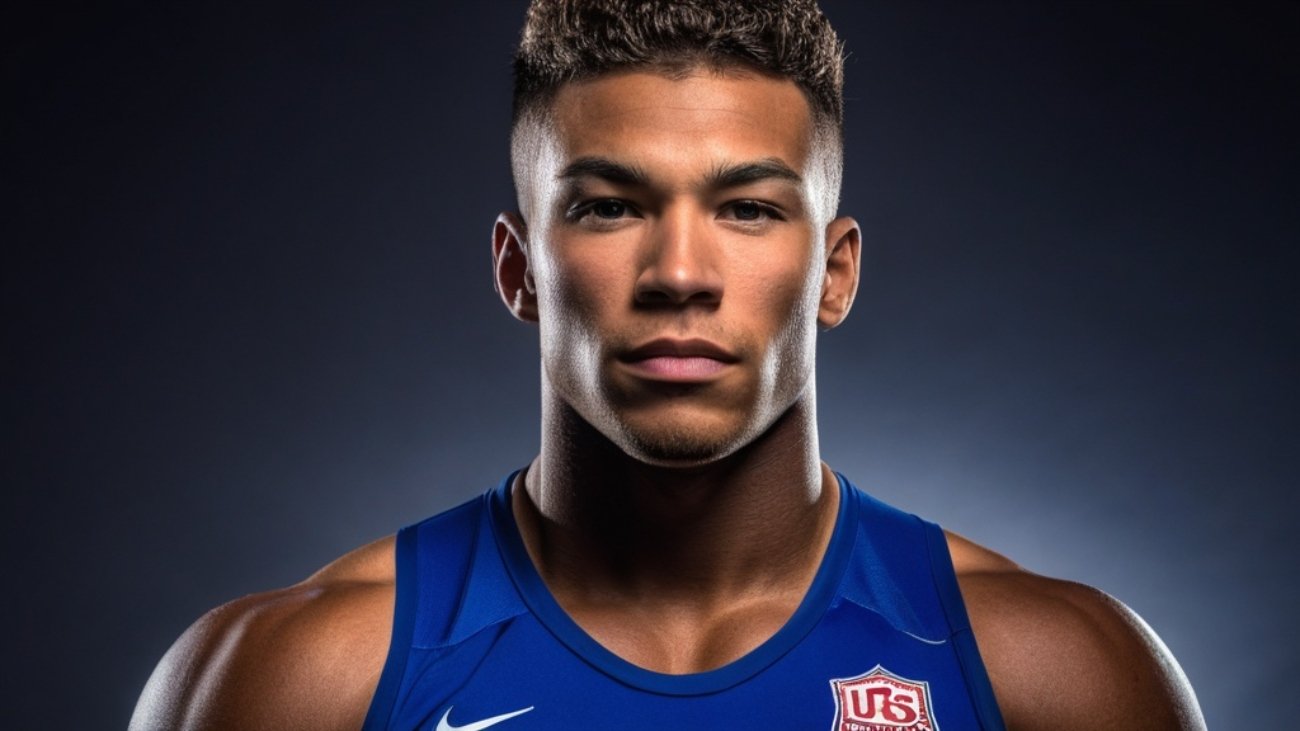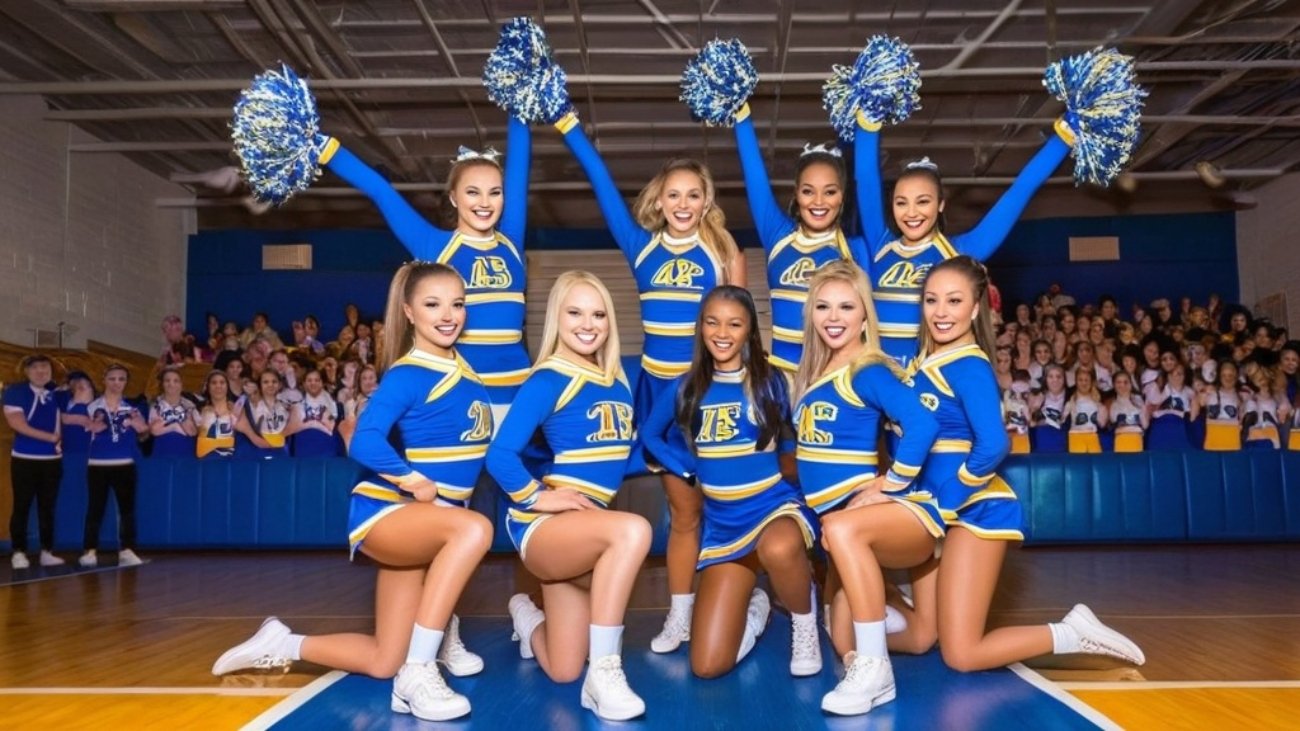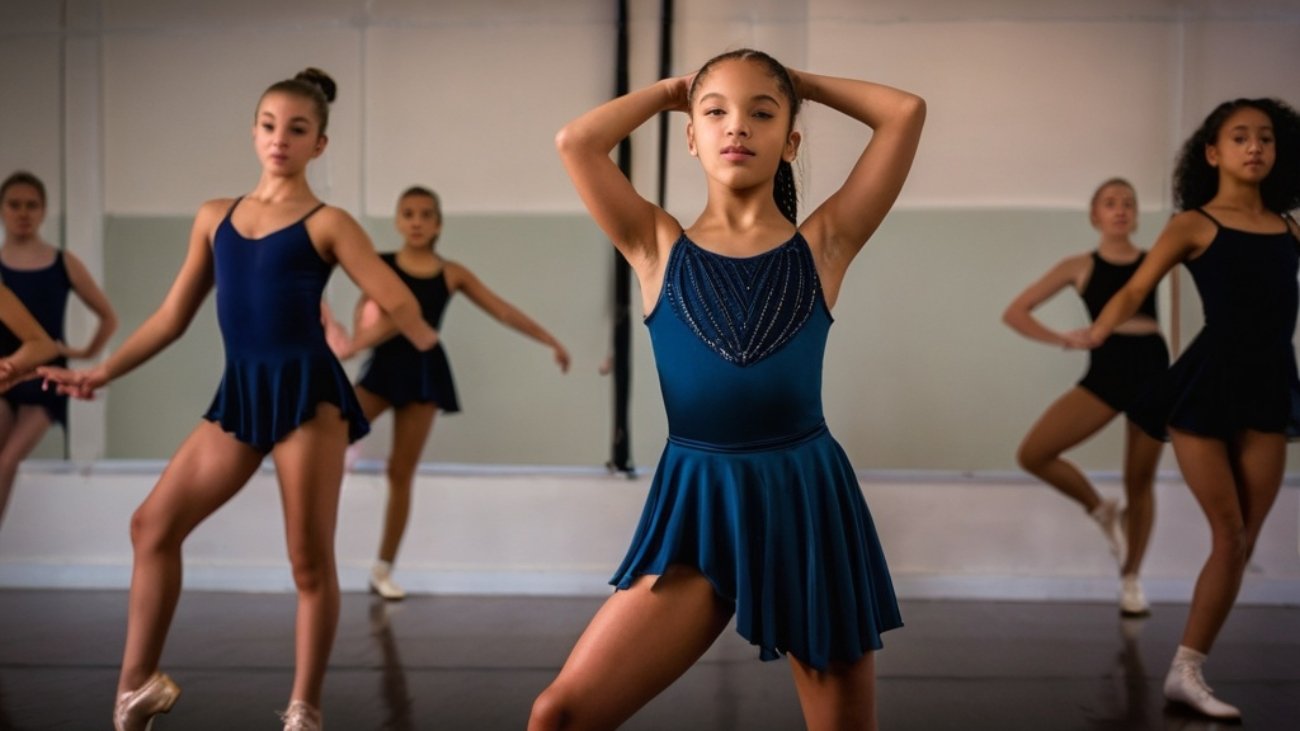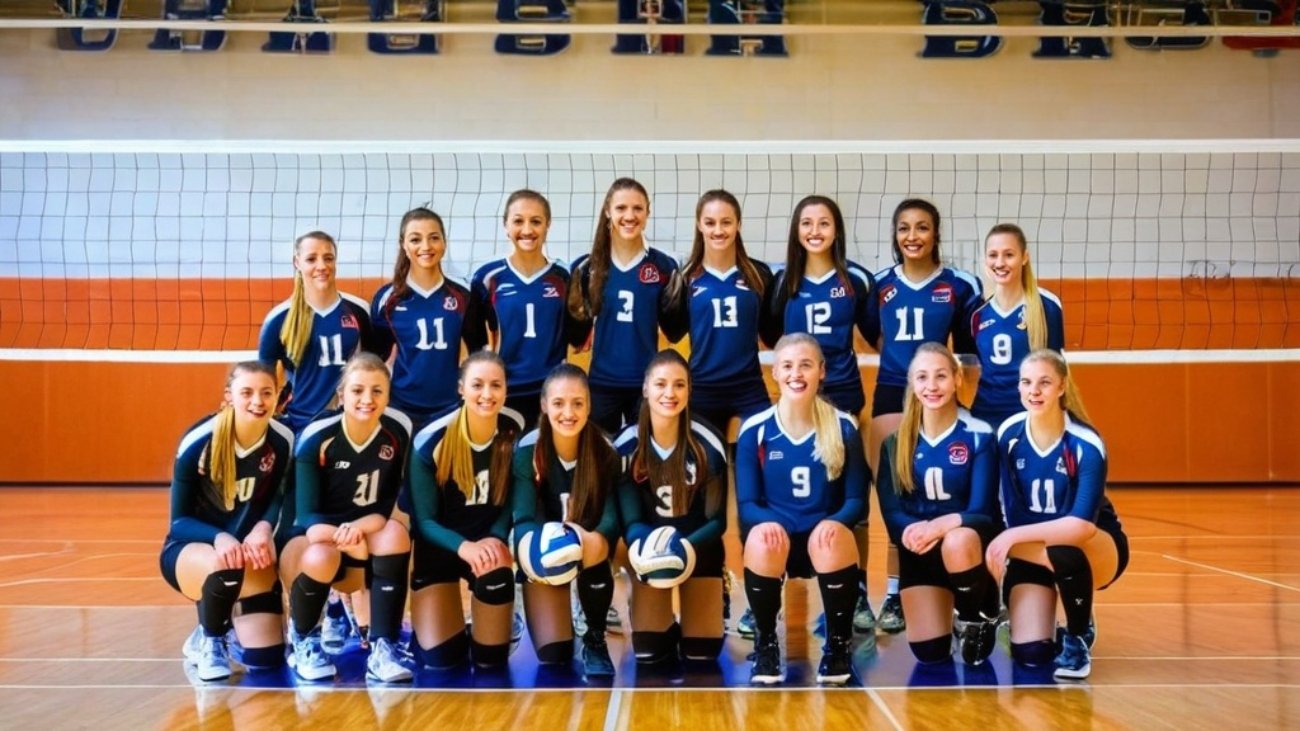
As documentarians of the fleeting moments that shape young lives, we often find ourselves tasked with the significant responsibility of immortalizing youth sports teams. These portraits are more than mere photographs; they are tangible representations of camaraderie, effort, and the burgeoning identities of young athletes. Our approach is grounded in a blend of technical proficiency and an understanding of the psychological nuances inherent in working with children and adolescents. We endeavor to create images that resonate with the immediate participants and serve as enduring mementos for families and communities. The meticulous planning, precise execution, and thoughtful post-production involved in crafting these portraits are critical to our objective: to genuinely capture the spirit of each team. This article will delineate the methodologies and considerations we employ to achieve this goal, offering insights into the multifaceted process of youth sports team portraiture.
The Foundation: Understanding the Team Dynamic
Before we ever lift a camera, our initial and perhaps most crucial step is to understand the team we are photographing. Each team, like a distinctive constellation, possesses its own unique arrangement and energy.
Pre-Shoot Consultation and Information Gathering
We initiate a pre-shoot consultation with coaches, team managers, or parent representatives. This informal yet informative discussion acts as the cornerstone of our planning. We inquire about:
- Team History and Achievements: Understanding past successes or significant milestones can inform our creative direction, allowing us to subtly weave these narratives into the visual fabric.
- Team Demographics: The age range of the athletes, their experience levels, and any special needs are paramount considerations.
- Team Culture and Ethos: Is the team highly competitive, or is the emphasis on participation and development? This distinction profoundly impacts the desired mood and expression we aim to evoke in our portraits.
- Desired Outcome and Usage: We clarify what the portraits will be used for – yearbook, website, personal keepsakes, or sponsor recognition. This guides our compositional choices and resolution requirements.
Establishing Rapport: The Human Element
Upon arrival at the shoot location, our priority shifts to establishing a positive rapport with the athletes. We recognize that children and adolescents often feel apprehensive or self-conscious when positioned before a camera.
- Brief Introduction and Explanation: We introduce ourselves and briefly explain the process, demystifying the equipment and providing a clear, concise overview of what we intend to achieve.
- Engaging Communication: We employ a calm, encouraging tone. Simple questions about their season, favorite aspects of their sport, or even their preferred positions can help break the ice and foster a sense of comfort.
- Respecting Individual Personalities: While we aim for group cohesion, we also acknowledge individual personalities. Some athletes may be naturally outgoing, while others are more reserved. Our cues and interactions are adapted accordingly.
Technical Precision: Crafting the Visual Narrative
The technical aspects of photography form the bedrock upon which our artistic vision rests. Precision in equipment selection, lighting, and composition is non-negotiable for producing high-quality, professional sports portraits.
Equipment Selection and Preparation
Our equipment selection is tailored to the specific demands of outdoor sports photography.
- Camera Bodies: We utilize professional-grade DSLR or mirrorless cameras with fast autofocus systems, capable of capturing sharp images in varying conditions. Redundancy is built into our kit, ensuring a backup in case of equipment malfunction.
- Lenses: A versatile array of lenses is crucial. We typically employ a fast telephoto zoom lens (e.g., 70-200mm f/2.8) for individual close-ups and compression, along with a wide-angle zoom lens (e.g., 24-70mm f/2.8) for group shots and environmental context. Fixed prime lenses may also be used for their superior optical quality when specific artistic effects are desired.
- Lighting Modifiers: When natural light is insufficient or overly harsh, we deploy portable strobe lights or reflectors. These are used to soften shadows, add sparkle to eyes, and ensure consistent exposure across the team. We prioritize safety and ensure all equipment is securely positioned to prevent accidents.
Mastering Light and Environment
Light is the painter’s brush in photography, and we manipulate it with deliberate intent.
- Optimal Time of Day: We schedule shoots for the “golden hour” – the period just after sunrise or before sunset – when the light is soft, warm, and produces flattering illumination. This minimizes harsh shadows and squinting.
- Leveraging Natural Light: We prioritize natural light whenever possible, positioning the team to benefit from open shade or indirect illumination. This creates a more organic and authentic look.
- Artificial Lighting for Control: When natural light is uncooperative, we utilize artificial lighting to emulate desired effects. We carefully position strobes, often off-camera, to create directional light that adds depth and dimension without appearing artificial. The goal is enhancement, not overt lighting.
- Background Selection: The background should complement, not detract from, the subjects. We seek clean, uncluttered backgrounds – a green field, a clear sky, or the stadium stands – that provide context without overwhelming the athletes. We are vigilant about avoiding distracting elements such as parked cars, utility poles, or overly busy signage.
Compositional Excellence: Framing the Narrative
Composition is the architectural blueprint of our photographs. It governs how elements are arranged within the frame to create a visually appealing and impactful image.
- Rule of Thirds: We frequently employ the rule of thirds, positioning key elements along the intersecting lines or at their junctures to create balance and visual interest.
- Leading Lines and Symmetry: Natural leading lines within the environment, such as field markings or stadium rows, can draw the viewer’s eye towards the subjects. Symmetrical arrangements can convey a sense of order and unity.
- Varying Perspectives: We experiment with different camera angles – shooting from a lower vantage point can emphasize strength and dominance, while a slightly elevated position can highlight the team as a cohesive unit.
- Dynamic Poses and Expressions: Beyond standard static poses, we encourage dynamic stances that evoke the energy of their sport. This might involve an athlete with a ball, a ready stance, or a subtle action pose. We guide expressions to be authentic – whether it’s a determined gaze, a confident smile, or a shared moment of laughter.
Posing and Direction: Orchestrating Unity and Individuality
The art of posing a youth sports team lies in achieving a balance between uniformity and the expression of individual personalities. It requires clear communication, patience, and a degree of playful engagement.
Group Formations: From Traditional to Dynamic
We offer a range of group formations, adaptable to the team’s size, sport, and the desired aesthetic.
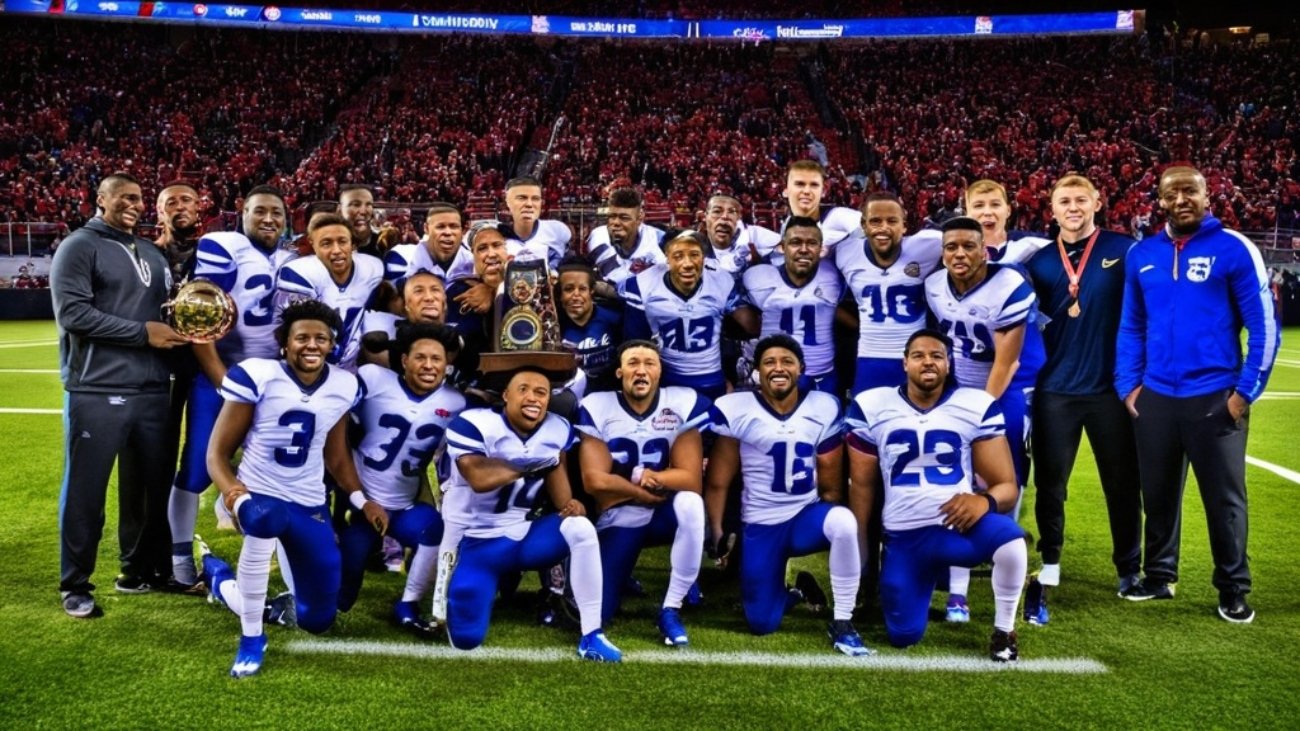
- Classic Tiered Arrangements: For larger teams, tiered stands are essential to ensure all faces are visible. We meticulously arrange athletes by height, ensuring no individual is obscured.
- V-Formation and Chevron: These formations are effective for conveying strength and unity, often with coaches or captains positioned at the apex.
- Semi-Circle or Arc: This creates a more inclusive and relaxed feel, particularly suitable for younger teams or those emphasizing participation over competition.
- Action-Oriented Poses: For sports like soccer or basketball, we might arrange the team in a huddle, running formation, or mid-action stance, simulating a moment from a game. This brings authenticity and dynamism to the portrait.
Individual Positioning and Expression
While the group formation provides the structure, the individual positioning and expression breathe life into the portrait.
- Staggering and Overlapping: We avoid a rigid, flat line of individuals. Staggering heights and subtly overlapping shoulders adds depth and a sense of natural interaction.
- Hand and Arm Placement: These seemingly minor details are critical. We instruct athletes to place hands naturally, perhaps on a teammate’s shoulder, holding a piece of equipment, or forming a relaxed fist. Avoid crossed arms, which can convey aloofness.
- Eye Contact and Engagement: We guide athletes to look directly at the camera, but also encourage subtle interactions within the group, fostering a sense of shared experience. A shared glance or a subtle smile towards a teammate can enhance the narrative.
- Authentic Smiles and Expressions: We actively work to elicit genuine smiles and expressions. Telling a lighthearted joke, asking about their favorite team moment, or simply encouraging them to “think about a great play” can yield more authentic results than a forced “cheese.”
Post-Production: Refining and Enhancing the Vision
Our work does not conclude when the final shutter click is heard. Post-production is an integral phase where we refine, enhance, and transform raw images into polished, impactful portraits.
Culling and Selection
The first step in post-production is the meticulous culling of images.
- Technical Merit: We review each image for focus, exposure, and sharpness. Out-of-focus or poorly exposed images are immediately discarded.
- Expression and Posing: We prioritize images where all subjects have favorable expressions, open eyes, and natural poses. We look for that serendipitous moment where every member of the team contributes positively to the overall composition.
- Variety and Options: We select a range of options for the client, offering different poses, expressions, and compositional choices, ensuring a comprehensive selection.
Color Correction and Tone Adjustment
These adjustments establish the mood and visual consistency of the portraits.
- White Balance: We precisely adjust the white balance to ensure accurate color rendition, making sure team uniforms and skin tones appear natural.
- Exposure and Contrast: We optimize exposure, brightening shadows and taming highlights to achieve a balanced image. Contrast adjustments enhance depth and visual impact.
- Color Grading: We apply subtle color grading to infuse the images with a cohesive aesthetic – perhaps a slightly warm tone to emphasize golden hour light or a vibrant, crisp look to highlight the energy of the team.
Retouching and Refinements
Our retouching philosophy is one of subtle enhancement, not alteration. We aim to preserve authenticity while presenting the best possible version of the subjects.
- Skin Blemishes and Scratches: Minor blemishes, temporary skin imperfections, or light scratches (common in sports) are carefully removed or minimized.
- Stray Hairs: We address stray hairs that can detract from the overall clarity of the portrait.
- Uniform Adjustments: Minor wrinkles or misalignments in uniforms can be subtly corrected. We ensure these adjustments are invisible to the casual observer.
- Background Cleanup: We meticulously remove any remaining distracting elements from the background that may have been overlooked during the shoot or are evident upon closer inspection.
Delivering the Legacy: Presentation and Archiving
The final stage of our process involves delivering the finished portraits and ensuring their long-term preservation. This is where our digital artifacts transform into tangible memories.
Digital File Delivery and Resolution
We provide clients with high-resolution digital files suitable for various applications.
- Print-Ready Files: These are optimized for large-format printing, ensuring clarity and detail.
- Web-Optimized Files: Lower resolution versions are provided for online use, such as team websites or social media, maintaining visual quality while ensuring fast loading times.
- File Naming Conventions: We utilize clear and consistent file naming conventions to facilitate easy organization and retrieval for our clients.
Print Options and Physical Products
While digital files are convenient, we believe in the enduring power of physical prints.
- Traditional Prints: We offer a range of print sizes and finishes, from standard wallet-sized prints to large commemorative pieces.
- Team Banners and Posters: Many teams opt for large banners featuring their portrait for display at games or events.
- Memory Books and Composites: We can create custom memory books or composite images that include individual portraits alongside the team shot, providing a comprehensive visual record of the season.
Archiving and Data Security
Our commitment extends to the long-term preservation of these valuable images.
- Redundant Storage: We implement a robust archiving strategy involving redundant storage solutions – local backups, network-attached storage, and cloud-based services. This mitigates the risk of data loss.
- Metadata Integration: We embed comprehensive metadata into each image, including team name, year, sport, and our contact information. This ensures that the images remain identifiable and traceable over time.
- Client Access and Retrieval: We maintain an organized archive that allows for efficient retrieval of past projects should clients require additional prints or digital files in the future.
In conclusion, our approach to youth sports team portraits is a methodical yet artistic endeavor. We view ourselves as custodians of memory, tasked with the privilege of encapsulating the essence of youthful ambition, teamwork, and sportsmanship. From the initial consultation to the final delivery, every step is executed with precision and a deep understanding of the human element involved. We strive to create not just photographs, but timeless artifacts that celebrate the journey, the camaraderie, and the indelible spirit of each team we are honored to photograph. These portraits, in essence, become a visual ode to the shared experience, a testament to the fact that while seasons may pass, the spirit of the team endures, perpetually captured within the frame.
FAQs
What is the best age range for youth sports team portraits?
Youth sports team portraits typically include children and teenagers ranging from about 5 to 18 years old, depending on the league or organization.
When is the ideal time to schedule youth sports team portraits?
The best time to schedule portraits is usually early in the sports season, often within the first few weeks, to capture the team in their new uniforms and before the season gets too busy.
What should players wear for youth sports team portraits?
Players should wear their official team uniforms, including jerseys, shorts or pants, and any team-branded accessories like hats or socks, to ensure a cohesive and professional look.
How long does a typical youth sports team portrait session last?
A typical session can last anywhere from 30 minutes to an hour, depending on the number of players and whether individual portraits are also being taken alongside the team photo.
Are youth sports team portraits usually available for purchase?
Yes, most organizations or photographers offer prints and digital copies of the portraits for purchase, often providing packages that include individual and team photos.