

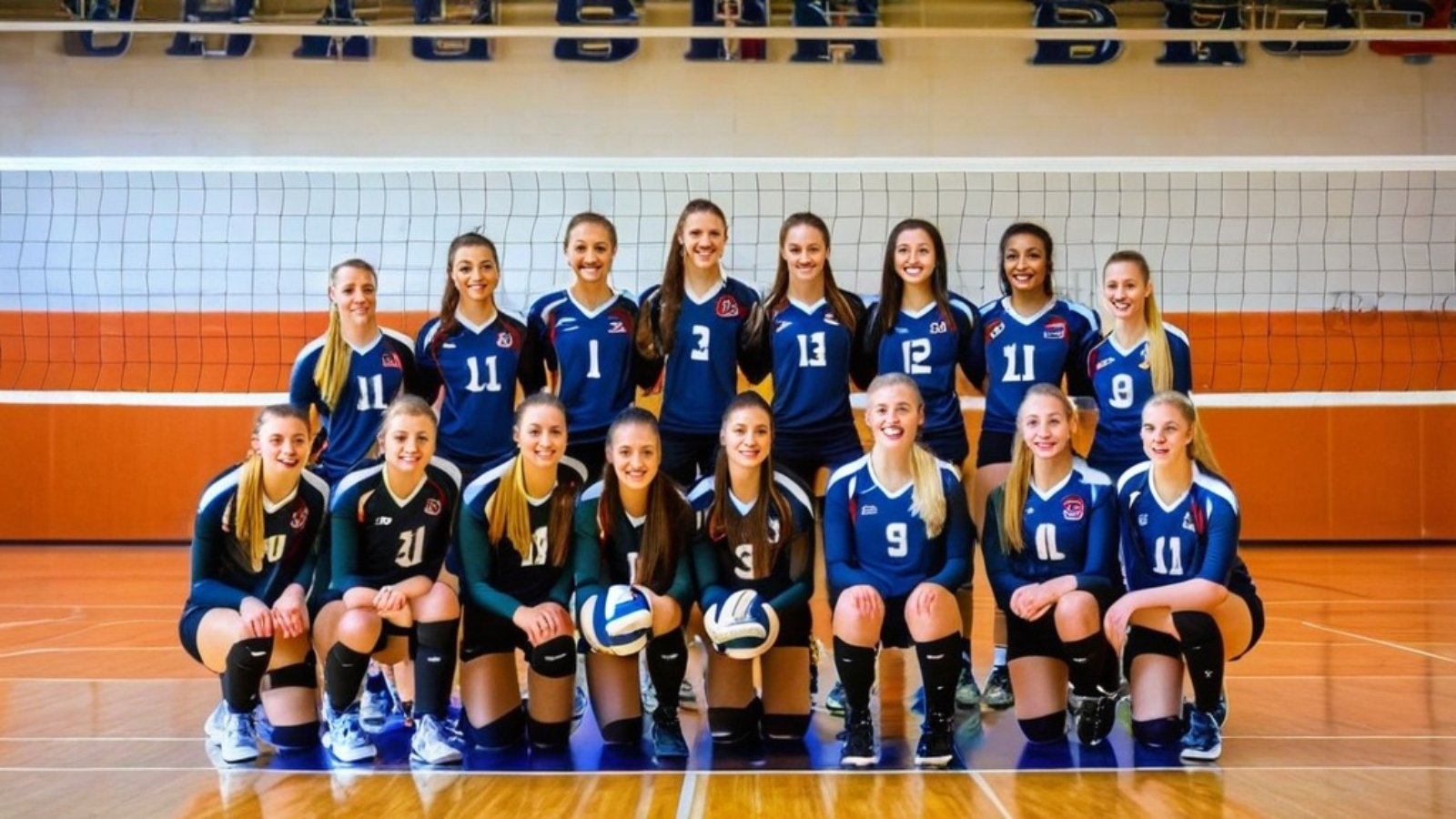
We invite you to step with us into an arena where discipline is etched into every bead of sweat and resilience is forged in the crucible of dedication. Our journey, captured in the photographic series “Inside the Ring: Boxing Club Portraits,” seeks to illuminate the often-unseen world of boxing clubs – not as arenas of brutal combat, but as crucibles of character, communities of shared purpose, and repositories of untold stories. We, as observers and documenters, aim to present a factual, unvarnished look at these institutions and the individuals who inhabit them.
Our endeavor began with a simple curiosity: what lies beyond the televised spectacle of professional boxing? We, like many, were accustomed to the polished narratives of champions, the glitz of prize fights, and the distant roar of a massive crowd. However, our interests were drawn to the foundational strata of the sport – the local boxing clubs, the humble gyms where aspirations are born and tempered. We recognized a significant lacuna in public perception, a void that often misrepresented these establishments as mere breeding grounds for aggression. Our objective was to bridge this gap, offering a nuanced perspective.
Initial Observations and Motivations
When we first set foot in a local boxing club, the sensory overload was immediate. The scent of liniment and leather, the rhythmic thud of gloves against heavy bags, the sharp crack of skipping ropes – these were the initial building blocks of our immersion. We quickly realized that the atmosphere was more akin to a monastic academy than a gladiatorial training ground. There was a palpable sense of order, a strict adherence to routine, and an unspoken code of conduct that permeated every interaction. This initial encounter solidified our resolve to undertake a comprehensive documentation.
Methodological Approach
Our methodology was straightforward: immerse ourselves. We spent countless hours observing training sessions, speaking with coaches and boxers of all ages and experience levels, and carefully, unobtrusively, capturing moments through our lenses. We prioritized candidness, seeking to avoid staged interactions and instead allowing the authentic dynamics of the gym to unfold before us. Our photography aimed for a documentary style, emphasizing natural lighting and avoiding excessive manipulation, thereby presenting an unfiltered view.
If you’re interested in exploring more about the vibrant world of boxing and the passion behind it, you might find the article on boxing club portraits particularly captivating. This piece delves into the artistry and emotion captured in the portraits of boxing clubs, showcasing the dedication and spirit of the athletes involved. You can read more about it in this related article: Boxing Club Portraits.
The Architecture of Dedication: Gym Spaces
The physical spaces of boxing clubs are, in themselves, profound narratives. They are not merely buildings but rather living documents of ambition, perseverance, and, at times, hardship. We have observed that regardless of their geographical location or economic standing, certain archetypal elements consistently emerge, forming a universal language of boxing.
The Ring: A Sacred Canvas
At the heart of every boxing club stands the ring, a canvas where courage is painted with sweat and strategy is sculpted through movement. It is often the most pristine and respected area of the gym, a space that commands reverence. We have witnessed how the boundaries of the ropes define not just a physical area but also a psychological one, separating the world of external distractions from the crucible of self-improvement. The scuff marks on the canvas, the worn padding on the ropes – these are not imperfections but rather the indelible signatures of countless hours of toil and aspiration.
The Heavy Bags: Silent Confidantes
Suspended from steel beams, the heavy bags stand as stoic sentinels, bearing the brunt of countless blows. They are the silent confidantes of frustration, the unwavering partners in the pursuit of power and precision. We have seen boxers, young and old, unleash torrents of energy onto these canvas and leather cylinders, transforming raw aggression into focused intensity. The indentations and fraying fabric on these bags are testaments to the sheer volume of effort expended, each mark a silent echo of a powerful combination or a punishing flurry.
The Mirrors: Unflinching Reflectors
Along the walls, large mirrors serve as unflinching reflectors, offering immediate feedback to those honing their craft. Here, shadowboxing becomes a dance with one’s own improving form, a meticulous study of stance, footwork, and punch delivery. We have observed boxers scrutinizing their every movement, identifying flaws, and making subtle adjustments. These mirrors are not merely for vanity; they are critical tools for self-assessment, allowing individuals to witness their progress and confront their imperfections in real-time.
Skipping Ropes and Ancillary Equipment: The Rhythms of Discipline
Beyond the central elements, a panoply of equipment defines the auxiliary spaces of a boxing gym. Skipping ropes, jump boxes, medicine balls, and resistance bands each contribute to a holistic training regimen. The rhythmic whir of a fast-moving skipping rope often provides the ambient soundtrack, a percussive undercurrent to the more explosive sounds of punching. We note that the systematic organization and utilization of this equipment underscores the disciplined nature of the sport, where no component of physical conditioning is left to chance.
The Practitioners: A Cross-Section of Humanity
Our photographic exploration reveals that the boxing club is a remarkably egalitarian space, a microcosm of society where distinctions of background, profession, or social status tend to dissolve upon entry. We have encountered an extraordinary cross-section of humanity, each individual drawn to the sport for a unique confluence of reasons, yet all united by a common pursuit of self-mastery.
The Aspiring Pro: Dreams and Dedication
Among the most compelling figures we have documented are the aspiring professional boxers. These individuals embody a singular dedication, often sacrificing much in pursuit of a dream that remains, for many, a distant horizon. We observe their unwavering commitment, the rigorous adherence to training schedules that often extend beyond the gym, encompassing strict diets and significant personal sacrifices. Their movements in the ring often possess a refined precision, a testament to years of dedicated practice and an intrinsic understanding of the sweet science.
The Amateur Enthusiast: Fitness and Fellowship
Equally prevalent are the amateur enthusiasts, individuals who engage with boxing primarily for fitness, self-defense, or simply the sheer enjoyment of the sport. We have encountered doctors, students, teachers, and tradespeople, all finding a common ground within the ropes. For these individuals, the boxing club often serves as a vital outlet, a sanctuary where the stresses of daily life can be channeled into constructive physical activity. The camaraderie among this group is particularly striking, demonstrating that the pursuit of individual excellence can thrive within a strong communal framework.
The Youth Initiatives: Building Character Beyond the Ring
Many boxing clubs, particularly in underprivileged areas, operate as crucial community hubs, offering structured activities and mentorship to young people. We have documented programs where boxing transcends its sporting aspect, becoming a vehicle for instilling discipline, respect, and self-confidence. Here, coaches often assume roles akin to mentors or surrogate guardians, guiding young individuals not only in their physical development but also in their personal growth. The transformation we have witnessed in some of these young participants – from tentative to confident, from unfocused to disciplined – stands as a powerful testament to the sport’s broader societal benefits.
The Veterans: Wisdom and Resilience
Finally, we have had the privilege of observing a number of boxing veterans, individuals whose bodies bear the marks of decades spent in the sport, but whose spirits remain undimmed. These are the keepers of institutional knowledge, their wisdom often shared through quiet guidance or by example. Their presence in the gym provides a tangible link to the history of the sport, a reminder of its enduring appeal and its capacity to shape lives over long periods. Their resilience, both physical and mental, serves as an inspiring beacon for younger generations.
The Unseen Alchemy: The Role of Coaching
The coach in a boxing club is considerably more than a mere instructor of techniques; they are the alchemists of potential, transforming raw talent and nascent ambition into disciplined skill and cultivated character. We have come to understand that their role transcends the physical, venturing deeply into the psychological and even the philosophical dimensions of their charges.
Mentorship and Discipline
A coach often acts as a primary mentor, their guidance extending far beyond punch combinations and footwork. We have observed coaches instilling a deep sense of discipline, not merely through strict adherence to training protocols but also through the cultivation of respect, punctuality, and an unwavering work ethic. Their words can be both firm and encouraging, acting as a finely tuned instrument for motivation. This mentorship is particularly crucial for younger boxers, providing a foundational structure that can positively impact other areas of their lives.
Tactical Acumen and Strategic Development
On a technical level, coaches are repositories of tactical acumen. They possess an intricate understanding of boxing mechanics, able to diagnose flaws in form, identify stylistic vulnerabilities, and develop individualized training plans. We have witnessed coaches meticulously breaking down opponents, devising strategies, and refining a boxer’s technique with an almost surgical precision. They are the cartographers of the fight, mapping out paths to victory.
Psychological Fortitude
Perhaps most profoundly, coaches play a critical role in fostering psychological fortitude. The sport of boxing is as much a mental challenge as it is a physical one. Coaches teach resilience in the face of adversity, the importance of pushing through discomfort, and the critical skill of maintaining composure under pressure. They are, in essence, the architects of mental toughness, helping boxers to transcend perceived limits and cultivate an unshakeable belief in their own capabilities. We have seen how a coach’s sustained belief in a boxer can translate into that boxer’s self-belief, a truly transformative process.
In the world of sports photography, capturing the essence of athletes in action is crucial, and this is beautifully illustrated in a related article that explores the dynamic nature of running events. The piece highlights how photographers can encapsulate the spirit and determination of runners, much like the way boxing club portraits showcase the grit and passion of boxers. For those interested in understanding the art of sports photography further, you can read more about it in this insightful article on running event sports photography.
Beyond the Bell: The Broader Impact
Our investigation into boxing clubs reveals that their influence extends well beyond the confines of the ring or the development of pugilistic skill. These institutions often serve as vital social conduits, fostering community, promoting well-being, and acting as powerful agents of personal and collective transformation.
Community Building and Social Cohesion
Boxing clubs, we observe, frequently function as critical centers for community building. They are places where individuals, regardless of background, can converge, share a common passion, and forge bonds of camaraderie. The shared exertion, the mutual respect born of sparring, and the collective pursuit of improvement often lead to strong, supportive relationships. For many, the gym becomes a second home, a place of belonging and acceptance. This social cohesion can be particularly impactful in areas where other community resources are scarce, offering a structured and positive environment.
Physical and Mental Well-being
The physical benefits of boxing training are widely recognized, but our documentation emphasizes the significant role these clubs play in promoting holistic well-being. The rigorous training regimens contribute to cardiovascular health, strength, agility, and overall physical fitness. However, in our view, the mental health benefits are equally, if not more, profound. The discipline required, the catharsis of physical exertion, and the development of self-confidence can significantly reduce stress, anxiety, and depression. We have observed individuals arriving at the gym burdened by challenges, only to leave with a renewed sense of clarity and empowerment.
Life Skills and Character Development
Perhaps the most enduring legacy of boxing clubs, as evidenced by our photographic series, is their capacity to impart invaluable life skills and foster profound character development. Beyond the technical movements of the sport, participants learn perseverance, strategic thinking, respect for opponents and authority figures, and the ability to manage both victory and defeat with equanimity. These are not merely skills for the ring; they are transferable attributes that equip individuals for challenges throughout their lives. The lessons learned under the glow of the gym lights – about hard work, dedication, and resilience – reverberate far beyond the final bell, shaping individuals into more capable, disciplined, and self-assured members of society. We contend that these institutions act as powerful, though often unsung, architects of robust character.
FAQs
What is the purpose of boxing club portraits?
Boxing club portraits are typically taken to showcase the members, trainers, and atmosphere of a boxing club. They serve to highlight the athletes’ dedication, strength, and the community within the club.
Who is usually featured in boxing club portraits?
Portraits often feature boxers of various skill levels, coaches, and sometimes club staff. These images may include individual shots, group photos, or action poses within the gym environment.
Where are boxing club portraits commonly taken?
These portraits are usually taken inside the boxing gym or club, often near the ring, training equipment, or other iconic areas that represent the sport and the club’s identity.
What equipment is typically used for boxing club portraits?
Photographers often use professional cameras with good lighting setups to capture sharp, dynamic images. Natural light or studio lights may be used to emphasize the subject’s physique and expressions.
How can boxing club portraits benefit the club?
Portraits can be used for promotional materials, social media, and websites to attract new members, celebrate achievements, and build a strong visual identity for the club.