

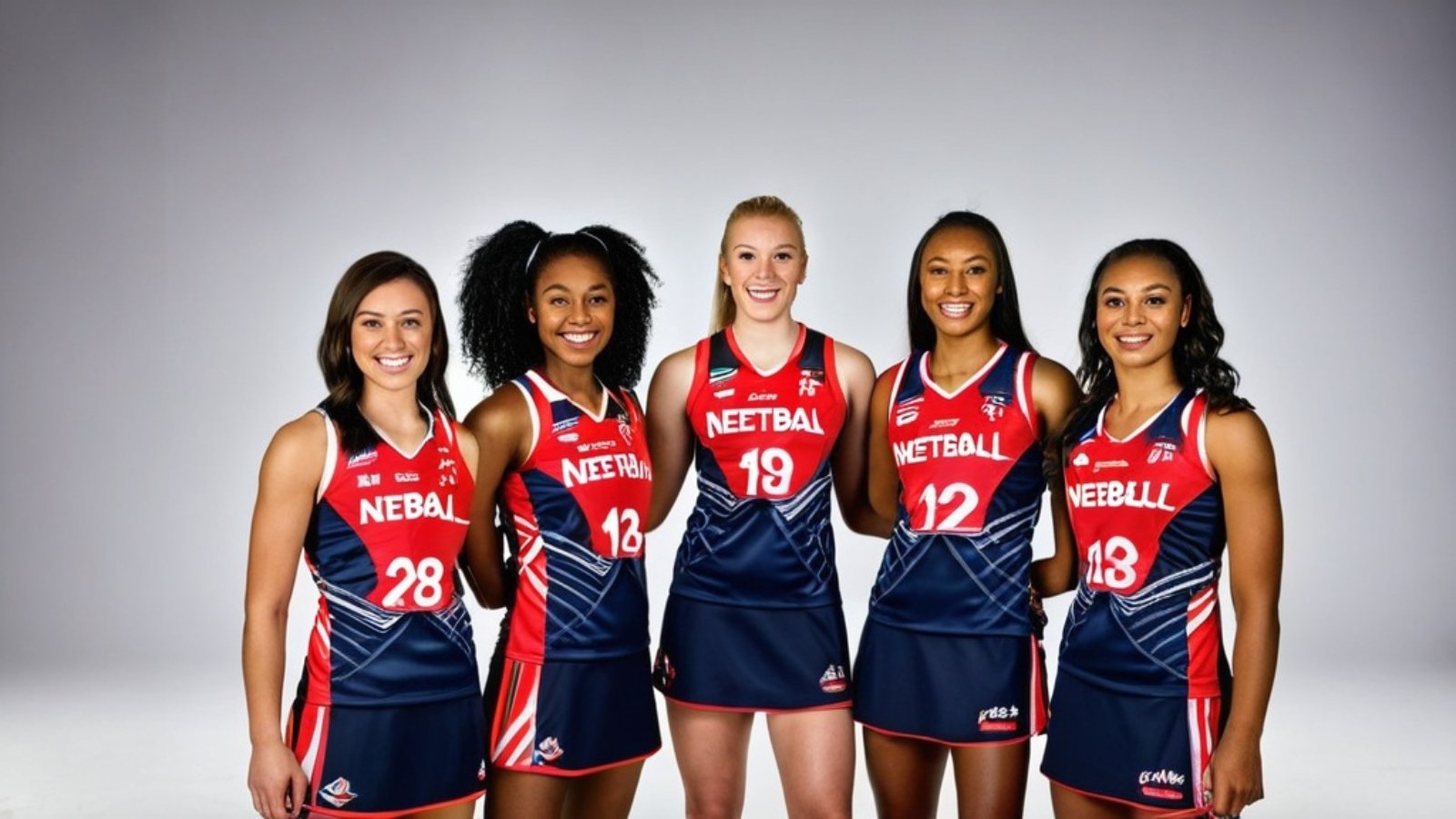
Our endeavor to document the essence of a football team through photography is multifaceted, demanding both technical proficiency and a nuanced understanding of the sport’s inherent theatricality. We endeavor to move beyond simple portraiture, striving to encapsulate the team’s collective identity, their individual narratives, and the dynamic energy that defines their pursuit of victory. This article will explore the methodologies we employ, the challenges we encounter, and the foundational principles that guide our photographic practice in this demanding field.
Before we even consider pressing the shutter, a significant amount of groundwork is laid. We see our role not just as photographers, but as visual historians, tasked with preserving a tangible record of a team’s journey.
Understanding the Team’s Ethos
Every football team possesses a unique character, a distinctive spirit forged by its history, its coaching philosophy, and the personalities of its players. We initiate our process by immersing ourselves in this ethos. This involves:
- Pre-season Consultations: We engage directly with coaching staff and management to understand their vision for the season, their strategic objectives, and any specific themes they wish to emphasize. This collaborative approach ensures our photographic narratives align with the team’s overarching goals.
- Historical Contextualization: We research the team’s past achievements, significant players, and any enduring rivalries. This background knowledge informs our shot selection and allows us to create images that resonate with the team’s legacy and fan base. For instance, knowing a particular match is a derby allows us to anticipate heightened emotions and positions ourselves accordingly.
- Individual Player Spotlights: While emphasizing team cohesion, we also recognize the importance of individual narratives. We endeavor to learn about key players, their strengths, their personalities, and their roles within the team structure. This allows us to capture moments that highlight their contributions, whether it’s a veteran’s leadership or a rookie’s burgeoning talent.
Equipment as an Extension of Our Vision
The tools we utilize are carefully selected to meet the rigorous demands of sports photography. Our equipment is not merely an assembly of devices; it is an extension of our creative intent.
- High-Speed DSLRs/Mirrorless Cameras: We rely on bodies capable of rapid continuous shooting rates and robust autofocus systems. These features are crucial for freezing fast-paced action and tracking subjects accurately across the field. We prioritize cameras with excellent low-light performance, acknowledging that many critical moments occur under less-than-ideal lighting conditions, especially during evening matches.
- Telephoto Lenses for Reach: A diverse array of telephoto lenses is indispensable. Lenses ranging from 70-200mm to 400mm or even 600mm allow us to capture close-up action from various positions around the pitch. We often utilize prime lenses for their superior optical quality and wider apertures, enabling us to isolate subjects with a shallow depth of field, rendering the chaos of the background into a painterly blur.
- Wide-Angle Lenses for Context: While telephotos dominate, wide-angle lenses play a pivotal role in establishing context. We use them for team group shots, capturing the vastness of the stadium, and documenting the atmosphere of the crowd. These lenses help us tell a broader story, showing the environment in which the sporting drama unfolds.
- Monopods and Tripods for Stability: In sports photography, stability is paramount. Monopods are frequently employed for supporting long telephoto lenses, reducing camera shake and fatigue during extended shooting periods. Tripods are reserved for specific static shots, such as pre-match team line-ups or capturing large-scale stadium vistas.
- Remote Triggers and Lighting: For specific scenarios, such as capturing locker room celebrations or controlled portrait sessions, we employ off-camera flash units triggered wirelessly. This allows us to manipulate light to create dramatic and artistic effects, sculpting the players with light and shadow.
For those interested in the art of capturing the spirit and energy of football teams, a related article can be found at All Star Legends Blog. This article delves into the techniques and tips for photographing football teams, highlighting how to effectively showcase their camaraderie and athleticism through compelling imagery. Whether you’re a professional photographer or an enthusiastic amateur, this resource offers valuable insights to enhance your football photography skills.
The Art of the Match Day Capture
Match day is where our preparation converges with the live event. It is a period of intense focus, anticipation, and rapid decision-making. We aim to capture not just the goals, but the entire emotional arc of the game.
Strategic Positioning and Anticipation
Our ability to predict and react to the unfolding drama is critical. We think in terms of narratives, not just isolated moments.
- Understanding Game Flow: We have developed an intuitive understanding of football’s ebb and flow. This knowledge allows us to anticipate critical moments – set pieces, counter-attacks, defensive clearances – and position ourselves accordingly. We are constantly scanning the pitch, looking at player formations and body language for clues about impending action.
- Field Coverage: We often deploy multiple photographers around the pitch to ensure comprehensive coverage. One photographer might focus on close-up action near the goals, another on midfield battles, and a third on sideline reactions and coaching staff. This multi-perspective approach allows us to weave a richer visual tapestry of the game.
- Anticipating Emotional Peaks: Football is a crucible of emotions. We actively seek out moments of triumph, despair, frustration, and solidarity. These emotions are often most palpable after goals, near misses, or contentious decisions. We have learned to anticipate these reactions and position our cameras to capture the raw human element of the sport. The roar of the crowd after a goal, for instance, often precedes an immediate player reaction that we strive to capture.
Capturing the Narrative Arc
A single photograph, however compelling, is part of a larger story. We build a photographic narrative that reflects the game’s progression.
- Pre-match Rituals: We document the quiet intensity of warm-ups, the team huddle, and the walkout onto the pitch. These moments establish the atmosphere and foreshadow the impending contest. The steely gaze of a player in the tunnel, the last-minute instructions from a coach, all contribute to the narrative.
- Action Sequences: We prioritize capturing key phases of play – a powerful tackle, a header-scoring attempt, a goalkeeper’s acrobatic save. We often shoot in burst mode to create sequences that tell a concise story of an action, allowing the viewer to infer movement from a series of still images.
- Post-match Reflections: The final whistle is not the end of our work. We capture the victors celebrating, the defeated commiserating, and the interactions between players, coaches, and fans. These moments often provide the most profound insights into the human aspect of the sport. We aim to capture the metaphorical sighs of relief and the visible weight of defeat.
Beyond the Pitch: The Team’s Broader Identity
Our photographic mandate extends beyond the 90 minutes of gameplay. We strive to capture the team’s identity in its most holistic form, documenting their life off the field as well.
Training Ground Dynamics
The training ground is the forge where skills are honed and team spirit is forged. We find these sessions to be immensely valuable for capturing the essence of the team.
- Focused Practice: We document specific drills, showcasing the physical exertion and the meticulous repetition required for mastery. These images reveal the dedication and discipline that underpins performance. We aim to portray the unseen labor that translates into visible prowess on match day.
- Interactions and Camaraderie: Training often provides opportunities to capture the informal interactions between players and coaching staff. These moments of laughter, encouragement, and shared struggle reveal the underlying camaraderie that is vital for team cohesion. We look for those small gestures, the pats on the back, the shared jokes, that speak volumes about their bond.
- Individual Preparation: We also focus on individual players during training, capturing their personal routines, their commitment to fitness, and their specific technical development. These images provide a glimpse into the personalized journeys within the collective.
Portraiture and Brand Building
Individual and group portraits serve a distinct purpose in showcasing the team’s personality and contributing to their public image.
- Formal Team Portraits: We meticulously plan and execute formal team portraits, ensuring professional lighting, composition, and presentation. These images are often used for official club publications, merchandise, and media kits, representing the team’s visual brand. We aim for a dignified and unified presentation.
- Individual Player Portraits: Beyond the action shots, we undertake individual portrait sessions with players, often seeking to reveal their personality outside of the competitive arena. Whether it’s a studio shot or an on-location portrait, we aim to capture their unique character, their determination, or even a hidden vulnerability. These portraits act as visual biographies, offering a window into the individual behind the jersey.
- Lifestyle Photography: Occasionally, we are commissioned to produce lifestyle imagery that depicts players in less formal settings, perhaps engaging with fans or participating in community events. These images humanize the athletes and contribute to a broader narrative of the club’s engagement with its supporters and the wider community.
Post-Production and Archival Responsibility
Our work is not complete once the final image is captured. The subsequent stages of editing, selection, and archiving are crucial for maximizing the impact and longevity of our photographic endeavors.
Curation and Editing for Impact
The sheer volume of images captured during a match or training session necessitates a rigorous selection process. We are sculptors of light, and the editing process is our final chiseling.
- Ruthless Selection: We review thousands of images to identify the strongest, most impactful shots. We look for images that are technically sound, emotionally resonant, and contribute effectively to the overall story. The aim is to present a curated collection that represents the highlights and key narratives.
- Color Correction and Grading: We apply consistent color correction and grading to all selected images, ensuring a cohesive visual aesthetic for the entire collection. This includes adjusting exposure, white balance, contrast, and saturation to enhance the visual appeal and impact of each photograph.
- Cropping and Compositional Refinement: Minor cropping and compositional adjustments are often made to strengthen the visual hierarchy and remove distracting elements. We strive to present images that are balanced, dynamic, and draw the viewer’s eye to the central subject.
Archiving for Posterity
The images we create are not merely ephemeral; they are historical documents. Our archiving practices are designed to ensure their long-term preservation and accessibility.
- Metadata Integration: Every image is meticulously tagged with descriptive metadata, including player names, event details, dates, locations, and relevant keywords. This metadata vastly improves searchability and allows for efficient retrieval of specific images in the future.
- Secure Storage Solutions: We utilize robust and redundant storage solutions, including local network-attached storage (NAS) and cloud-based backups. This multi-layered approach safeguards against data loss due to hardware failure or other unforeseen circumstances.
- Deliverables for Clients: We provide clients with high-resolution digital files, often in multiple formats (e.g., JPEG, TIFF), optimized for different uses (print, web). We also maintain a version control system to track any revisions or specific client requests.
In conclusion, our approach to football team photography is a synthesis of technical skill, artistic vision, and a deep respect for the sport and its participants. We are not merely taking pictures; we are crafting a visual legacy, one frame at a time, that encapsulates the triumphs, trials, and enduring spirit of the beautiful game. We invite you to consider the meticulous effort involved in bringing these narratives to life, recognizing that each image is a carefully constructed artifact intended to resonate with the team, its supporters, and the broader world of football.
FAQs
What equipment is typically used in football team photography?
Football team photography usually requires a DSLR or mirrorless camera with a fast lens, such as a 70-200mm f/2.8, to capture action shots. A tripod or monopod may be used for stability, and additional lighting equipment can be helpful for indoor or low-light conditions.
When is the best time to schedule a football team photo session?
The best time to schedule a football team photo session is typically before the season starts or early in the season. This allows for team photos to be used in programs, media guides, and promotional materials throughout the season.
What are common poses or setups in football team photography?
Common poses include the entire team lined up in rows, players in their uniforms holding helmets, and action shots on the field. Coaches and staff are often included, and individual player portraits are also common.
How can photographers ensure good lighting during outdoor football team photos?
Photographers should aim to shoot during the golden hours—early morning or late afternoon—when natural light is soft and flattering. Using reflectors or fill flash can help reduce harsh shadows, and positioning the team with the sun behind the photographer ensures even lighting.
What are some tips for managing a large football team during a photo shoot?
To manage a large team, photographers should plan the shoot in advance, communicate clearly with coaches and players, and organize the team into smaller groups if necessary. Using a checklist to ensure all players are present and ready can help the session run smoothly and efficiently.