

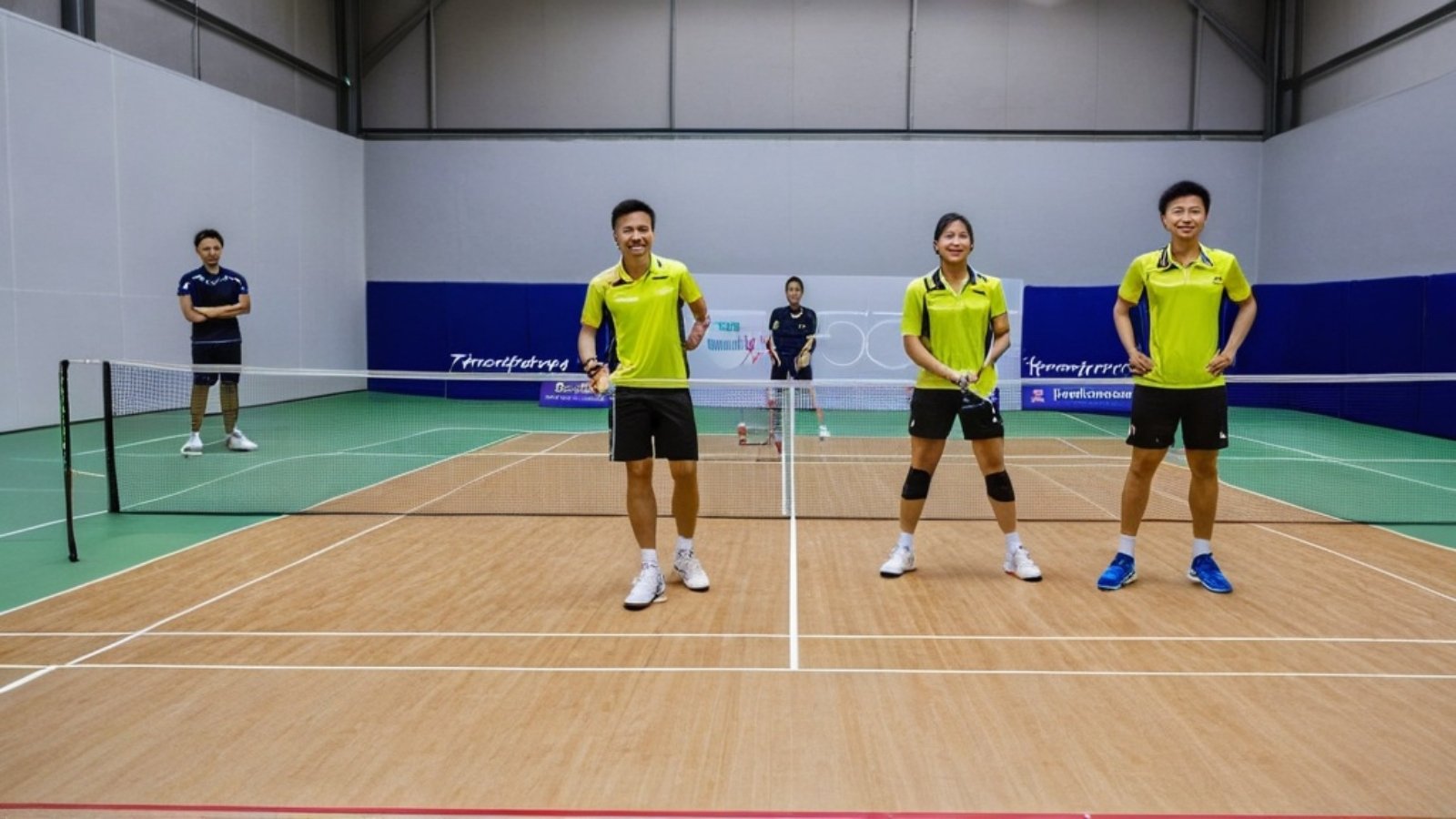
We embark on a journey into the intricate world of martial arts club photography, an endeavor that transcends mere documentation to become an art form in itself. Our aim is to dissect the technical, artistic, and conceptual elements involved in capturing the raw power and nuanced grace that define these disciplines. We, as observers and practitioners of photographic artistry, understand that each shutter click is an attempt to freeze a dynamic, ephemeral moment, preserving the essence of skill, dedication, and human potential. Think of our cameras as archaeological tools, unearthing the stories etched in sweat and precision.
Before we even consider the technical aspects, we must immerse ourselves in the subject matter. Martial arts are not simply a series of movements; they are a philosophy, a history, and a discipline. Our understanding of these fundamental principles directly impacts our ability to portray them authentically.
Acknowledging Different Styles and Their Nuances
Each martial art style – be it Karate, Taekwondo, Jujutsu, Kung Fu, or Krav Maga – possesses its own unique lexicon of movements, postures, and inherent energies. We must learn to differentiate these.
- Karate’s Linear Power: We often witness sharp, direct movements, emphasizing impact and precision. Our compositions should reflect this linear drive.
- Jujutsu’s Fluid Transitions: Here, we observe a continuous flow, grappling, and joint manipulation. Our photography should convey this seamlessness and ground-based dynamism.
- Taekwondo’s Aerial Acrobatics: High kicks and spinning techniques are hallmarks. We must be prepared to capture the apex of these explosive movements.
- Kung Fu’s Animalistic Forms: We note the emulation of animal movements, requiring a keen eye for form and expression.
Respecting the Dojo Environment and Etiquette
The dojo (or equivalent training space) is a sacred space for practitioners. Our presence, as photographers, should be respectful and unobtrusive. We are guests in their temple of discipline.
- Minimizing Disruption: Loud shutter clicks, sudden movements, or blocking lines of sight are unacceptable. We operate as silent observers, like shadows just within the periphery.
- Understanding Training Protocols: We familiarize ourselves with the training schedule, warmup routines, and demonstration etiquette to anticipate key moments and avoid interrupting flow.
- Seeking Permission: Always, without exception, we secure explicit permission from instructors and participants before commencing photography. Transparency builds trust.
- Appropriate Attire: We dress respectfully, avoiding overly casual or distracting clothing. Our presentation should reflect the seriousness of the environment.
If you’re interested in capturing the dynamic essence of martial arts, you might find our related article on martial arts club photography particularly insightful. It offers tips on how to effectively photograph training sessions and competitions, ensuring that the energy and skill of the practitioners are beautifully showcased. To explore this topic further, check out the article here: Martial Arts Club Photography.
The Technical Arsenal: Equipment and Settings for Dynamic Capture
Our tools are an extension of our vision. While high-end gear can certainly assist, it is our understanding and application of these tools that truly distinguishes our work. We consider our cameras as brushes, and light as our paint.
Camera Bodies and Lenses: Precision and Versatility
Our choice of camera body and lens dictates our ability to respond to the fast-paced nature of martial arts.
- Fast Autofocus Systems: We prioritize cameras with robust autofocus systems that can track rapidly moving subjects. This is non-negotiable for capturing sharp images of dynamic action.
- Telephoto Lenses for Distance and Compression: Lenses in the 70-200mm range are invaluable for maintaining a respectful distance while still achieving tight compositions and subject isolation. They act as our long-distance eyes.
- Wide-Angle Lenses for Context and Environmental Shots: For establishing shots of the dojo, group photos, or capturing a sense of scale, wider lenses (e.g., 24-70mm) are essential. They allow us to encompass the stage on which the drama unfolds.
- Prime Lenses for Low Light and Sharpness: Fast prime lenses (e.g., 50mm f/1.4, 85mm f/1.8) excel in low-light conditions often found in dojos and provide exceptional sharpness and beautiful bokeh, isolating our subject from the background, as if emerging from the ether.
Mastering Exposure: Freezing and Blurring Motion
Exposure control is paramount. We manipulate shutter speed, aperture, and ISO to achieve our desired aesthetic, balancing clarity with artistic expression.
- Shutter Speed for Freezing Action: For most dynamic martial arts sequences, a high shutter speed (e.g., 1/500s or faster) is necessary to freeze motion effectively, capturing every muscle strain and droplet of sweat. This is our preferred mode for clinical clarity.
- Shutter Speed for Motion Blur: Occasionally, we might intentionally use a slower shutter speed (e.g., 1/60s to 1/250s) to introduce controlled motion blur, conveying a sense of speed and dynamism, particularly for limbs in motion. This is when we let our subjects paint streaks across our canvas.
- Aperture for Depth of Field: A wider aperture (smaller f-number) helps isolate the subject by creating a shallow depth of field, blurring the background and drawing the viewer’s eye to the action. Conversely, a narrower aperture (larger f-number) keeps more of the scene in focus, useful for group shots or showing the whole context.
- ISO Management: Invariably, dojos are not brightly lit studios. We often push our ISO higher to compensate for low light, being mindful of noise introduction. Modern cameras handle higher ISOs with remarkable finesse, allowing us to see in the dimness.
Lighting Strategies: Natural, Artificial, and Mixed
Light is our sculptor. We strategically utilize available light or introduce our own to highlight form, texture, and emotion.
- Utilizing Available Light: This is our primary approach in most dojo settings. We identify key light sources (windows, overhead lights) and position ourselves to maximize their effect, avoiding harsh shadows or unflattering glare. We dance with the light that is already present.
- Off-Camera Flash for Drama and Definition: When allowed and appropriate, off-camera flash can dramatically enhance images. We use it to create dramatic highlights, sculpt musculature, and separate subjects from backgrounds. It’s our opportunity to add an extra layer of brilliance.
- Continuous LED Lighting for Controlled Environments: For more controlled settings or staged demonstrations, continuous LED lights offer precise control over light intensity and color temperature, allowing for consistent and repeatable results.
Compositional Artistry: Framing the Power and Grace
Beyond technical proficiency, our ability to compose a compelling image separates a snapshot from a photograph. We are storytellers, and composition is our narrative structure.
The Rule of Thirds and Leading Lines
Classic compositional guidelines serve as our foundation, helping us to create visually engaging and balanced images.
- Placing Subjects on Intersections: By positioning key elements (a striking hand, an intense gaze) on the intersections of the rule of thirds grid, we create dynamic compositions that draw the viewer’s eye.
- Utilizing Leading Lines: The lines formed by the edge of a mat, the stance of a practitioner, or even the lines of a uniform can lead the viewer’s eye through the frame, directing attention to the focal point – the heart of the action.
Capturing Peak Action: Anticipation and Timing
Martial arts unfold at high speed. Our ability to anticipate the peak of an action is paramount, requiring a keen eye and quick reflexes. We are not just recording; we are predicting.
- Burst Mode for Sequences: We often employ burst mode (continuous shooting) to capture a series of frames during a dynamic movement, increasing our chances of securing the perfect moment. This is our net, cast wide to catch the fleeting fish.
- Observing Training Patterns: By watching a few repetitions of a technique, we learn its rhythm and trajectory, allowing us to anticipate the “decisive moment” for our shot. We study the ebb and flow, like a sailor studying the tide.
Expressing Emotion and Connection
Martial arts are not purely physical; they are deeply emotional. We strive to capture the intensity, the focus, the struggle, and the triumph etched on the faces and bodies of the practitioners.
- Focusing on Facial Expressions: A grimace of effort, a warrior’s focus, or the calm determination in an instructor’s eyes can lend profound depth to our images. These are the windows to the soul of the discipline.
- Capturing Body Language: The tension in a clenched fist, the balance in a stance, or the fluid extension of a leg all tell a story without words. Every muscle is a character in our visual narrative.
- Interaction Between Practitioners: When photographing sparring or paired demonstrations, we focus on the interplay between individuals – the push and pull, the attack and defense, the respect inherent in their engagement. This is where the dance truly comes alive.
Post-Processing: Refining the Vision
Our work does not end with the click of the shutter. Post-processing is an integral stage where we refine our images, enhancing their impact and bringing our artistic vision to fruition.
Color Correction and Grading
We adjust colors to ensure accuracy and to evoke specific moods.
- White Balance Adjustment: Correcting white balance ensures that colors appear natural and true to life, preventing undesirable color casts often caused by artificial lighting.
- Tone Curve Adjustments: We manipulate the tone curve to fine-tune contrast, bringing out details in both highlights and shadows, adding depth and punch.
- Selective Color Enhancements: We might subtly enhance the color of a uniform or a belt to draw attention or align with the club’s branding, without over-saturating.
Sharpening and Noise Reduction
These processes enhance clarity and reduce visual distractions.
- Subtle Sharpening: We carefully apply sharpening to bring out fine details, especially eyes and the texture of fabric, without creating an over-processed look.
- Targeted Noise Reduction: When shooting at high ISOs, noise can be an issue. We judiciously apply noise reduction, balancing its effect with the preservation of detail. We are gently smoothing the grain of our wooden canvas.
Cropping and Framing
Final adjustments to composition are made during post-processing.
- Refining Composition: We use cropping to tighten our compositions, remove distracting elements, or rebalance the image, ensuring every element serves a purpose.
- Aspect Ratio Considerations: We consider the final output – whether for web, print, or social media – and crop to appropriate aspect ratios.
Capturing the dynamic movements and intense focus of martial arts practitioners can be a rewarding experience for photographers. For those interested in enhancing their skills in this unique genre, a related article on the importance of understanding martial arts techniques can provide valuable insights. You can explore this further in the article found here, which discusses how knowledge of the sport can improve your photography and help you capture the essence of each moment.
Ethical Considerations and Collaboration
Our work, like any art, is rooted in ethical practice and collaboration. We are not just photographers; we are partners in illuminating the spirit of martial arts.
Building Relationships with Instructors and Students
A strong rapport is invaluable. It opens doors, fosters trust, and allows for more authentic and candid photography.
- Open Communication: We maintain clear and open communication with instructors about our intentions, schedule, and potential usage of images. We are transparent in our dealings.
- Sharing Our Work: Offering to share high-quality images with the club for their promotional use or with individual practitioners for their personal portfolios builds goodwill and demonstrates our commitment. We contribute back to the wellspring from which we draw.
Image Rights and Permissions
Understanding and respecting image rights is crucial.
- Model Releases: For commercial use or public display of identifiable individuals, we obtain signed model releases. This protects both us and the subjects.
- Club Consent for Publication: When photographing for a club or dojo, we ensure clarity on how the images will be used and secure their consent for any public dissemination.
We, as photographers, are entrusted with the powerful task of translating movement and discipline into static imagery. It is a responsibility we embrace with dedication, utilizing our technical prowess, artistic sensibility, and profound respect for the martial arts. Our goal is not just to take pictures, but to craft visual narratives that resonate with the essence of power, grace, and human endeavor that define these ancient and enduring practices. We aim to capture the soul, not just the skin, of martial arts.
FAQs
What equipment is recommended for martial arts club photography?
For martial arts club photography, a camera with a fast shutter speed and good low-light performance is recommended. A DSLR or mirrorless camera with a telephoto lens (such as 70-200mm) helps capture action from a distance. Using a flash or external lighting can also improve image quality in indoor settings.
What are the best settings to use when photographing martial arts action?
To capture sharp images of fast movements, use a high shutter speed (1/500 second or faster). A wide aperture (low f-number) helps isolate the subject and allows more light in. Increasing the ISO can compensate for low light but should be balanced to avoid excessive noise.
How can a photographer capture the intensity and emotion of martial arts?
Photographers should focus on facial expressions, dynamic poses, and moments of impact. Using continuous shooting mode helps capture peak action. Close-up shots and low angles can emphasize power and intensity.
Are there any safety considerations when photographing martial arts clubs?
Yes, photographers should maintain a safe distance to avoid interfering with training or matches. Using a zoom lens allows capturing close-up shots without entering the action area. Always follow the club’s rules and respect the participants’ space.
Can martial arts club photography be used for promotional purposes?
Absolutely. High-quality photos showcasing skill, discipline, and camaraderie can be used on websites, social media, and marketing materials to attract new members and promote events. It is important to obtain permission from participants before using their images publicly.