

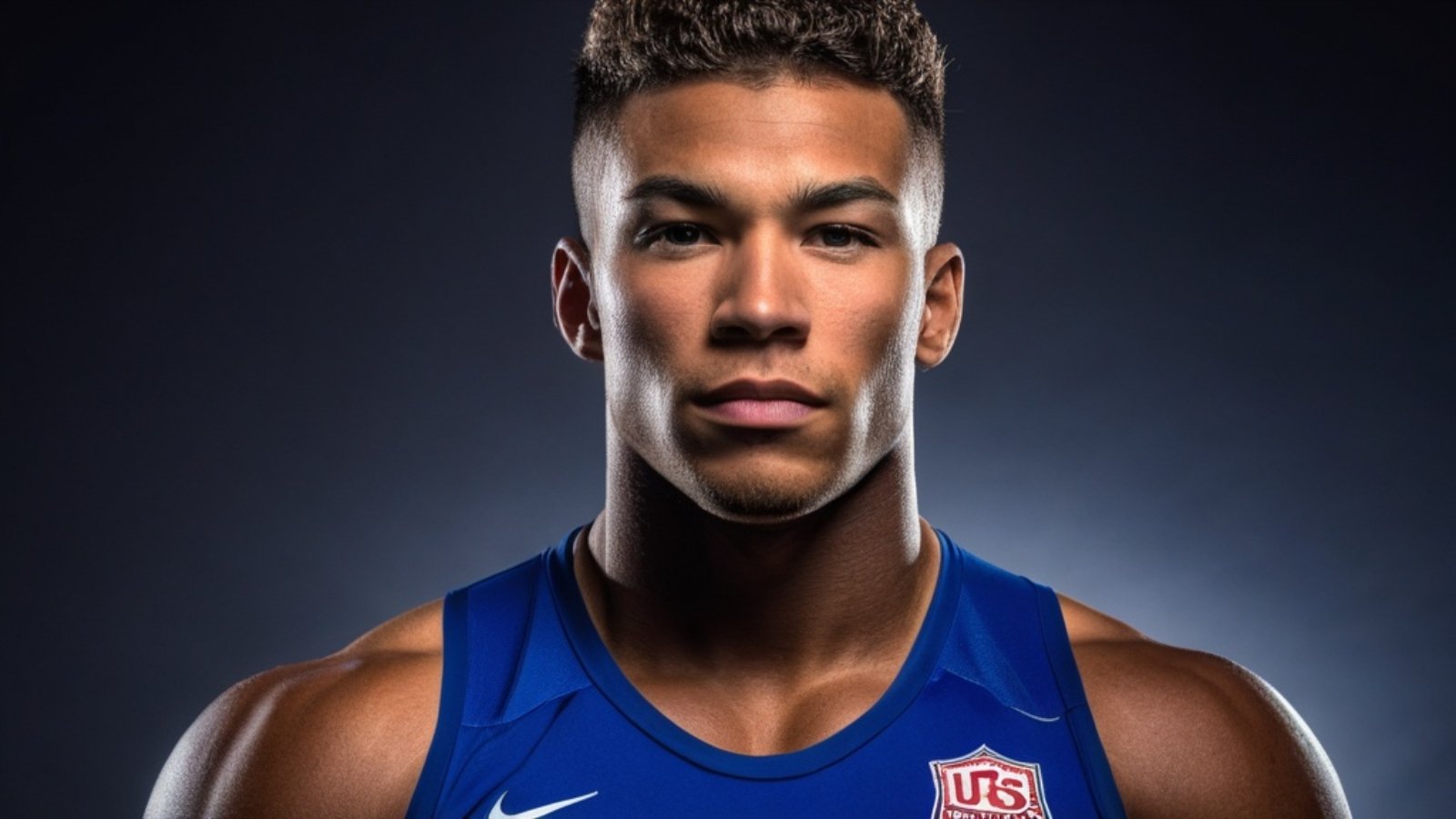
We embark on a journey behind the lens to explore the nuanced art of dance school portraiture. This specialized field requires a meticulous understanding of both photographic technique and the intrinsic qualities of dance. Our goal is not merely to document, but to encapsulate the ephemeral grace, dedication, and vibrant spirit that define a dancer’s world. We strive to create images that transcend simple snapshots, becoming treasured mementos and powerful reflections of artistic expression.
Before we even consider camera settings, we immerse ourselves in the unique environment of a dance school. This is a space brimming with energy, discipline, and a palpable sense of community. Our approach is grounded in recognizing these elements as integral to our photographic narrative.
The Dynamics of a Dance School Studio
A dance studio is not merely a room; it is a canvas where countless hours of practice coalesce into moments of performative beauty. We acknowledge the inherent challenges: fluctuating light, often mirrored walls, and the constant movement of subjects. Our pre-shoot reconnaissance involves:
- Assessing Available Light: We analyze natural light sources, window positions, and artificial lighting fixtures. This informs our decision-making regarding supplemental lighting and camera settings.
- Understanding the Studio Layout: We note the dimensions, potential backdrops, and areas free from clutter. This allows us to envision poses and compositions effectively.
- Identifying High-Traffic Areas: We aim to minimize disruption to ongoing classes while ensuring a seamless flow for our portrait sessions.
The People: Dancers, Instructors, and Parents
Our subjects are not just models; they are individuals deeply invested in their art. We engage with:
- Dancers: From nascent beginners to seasoned pre-professionals, each dancer brings a unique journey to the lens. We respect their dedication and vulnerability.
- Instructors: Often the guiding force, instructors provide invaluable insights into a dancer’s strengths and preferred styles. Their collaboration can significantly enhance the portrait session.
- Parents: The unsung heroes behind the scenes, parents often view these portraits as tangible records of their child’s passion and progress. We aim to exceed their expectations.
If you’re interested in capturing the essence of dance through photography, you might find our article on the importance of professional portraits for dance schools particularly insightful. These portraits not only showcase the talent of the dancers but also help in promoting the school’s brand and attracting new students. To learn more about this topic, you can read the article here: Dance School Portraits.
The Technical Canvas: Photographic Essentials
Just as a dancer masters their movements, we master our equipment. Our photographic toolkit is carefully selected and utilized with precision to capture the intricacies of dance.
Camera and Lenses: Precision Tools for Movement
Our choice of camera bodies and lenses is dictated by the need for speed, clarity, and versatility.
- Camera Bodies: We prioritize bodies with fast autofocus systems and excellent low-light performance. This ensures we can capture fleeting moments with crisp detail, even in less-than-ideal lighting conditions. High burst rates are also crucial for capturing sequences of movement.
- Lenses: Our primary workhorses include short to medium telephoto prime lenses (e.g., 85mm f/1.4, 135mm f/2) for their shallow depth of field and superior image quality, allowing us to isolate the dancer from the background. Wide-angle lenses (e.g., 24-70mm f/2.8) are employed for capturing the broader studio environment or group shots. Telephoto zooms (e.g., 70-200mm f/2.8) offer flexibility for capturing dancers from a distance without intruding on their space or altering their natural movement.
Lighting: Sculpting Form and Emotion
Lighting is paramount in dance photography; it is the sculptor of form and the amplifier of emotion. We rarely rely solely on ambient light.
- Studio Strobes: Our preferred choice for controlled, consistent lighting. We utilize multiple strobes with modifiers such as softboxes, octaboxes, and strip lights to create a flattering and dramatic effect.
- Continuous Lights (LED Panels): Useful for video snippets or when a more natural, diffused light is desired, particularly for younger dancers who might be sensitive to flashes.
- Natural Light Augmentation: We often combine natural light with artificial sources, using reflectors or diffusers to sculpt the dancer’s form and fill in shadows. The interplay between natural and artificial light can create a dynamic and evocative atmosphere.
Settings and Workflow: Optimizing for Performance
Our camera settings are meticulously chosen to freeze movement while retaining artistic quality.
- Shutter Speed: This is perhaps the most critical setting. We typically aim for high shutter speeds (e.g., 1/500s to 1/2000s) to eliminate motion blur. For intentional motion blur, a slower shutter speed (e.g., 1/60s to 1/125s) can be employed, often combined with panning techniques.
- Aperture: We balance between achieving a shallow depth of field to isolate the subject (e.g., f/1.8 to f/4) and ensuring sufficient depth to keep all parts of the dancer in focus during complex poses (e.g., f/5.6 to f/8).
- ISO: We keep our ISO as low as possible to minimize noise, only increasing it when absolutely necessary to compensate for challenging lighting conditions or achieve desired shutter speeds.
- Autofocus Modes: We predominantly use continuous autofocus (AI Servo on Canon, AF-C on Nikon) to track subjects in motion, often coupled with spot or single-point autofocus for precisesubject selection.
The Art of Posing and Direction: Guiding the Dancer
Our role extends beyond technical execution; we become conductors orchestrating a visual symphony. Effective communication and a deep understanding of dance forms are indispensable.
Communicating with Dancers: A Shared Language
We foster an environment of trust and collaboration. Our communication style is clear, concise, and encouraging.
- Using Dance Terminology: We integrate common dance terms (e.g., plié, tendu, arabesque) to bridge the gap between our photographic instructions and the dancer’s understanding. This demonstrates respect for their art form.
- Demonstrating and Explaining: Sometimes, showing is more effective than telling. We may demonstrate a desired body position or explain the emotional tenor we aim to capture.
- Providing Positive Reinforcement: Constant encouragement builds confidence and contributes to more natural and expressive poses. We celebrate their efforts and successes throughout the session.
Capturing the Essence: Movement and Stillness
Dance is a dichotomy of dynamic movement and profound stillness. We seek to capture both.
- Action Shots: We anticipate the peak of a jump, the extension of a jeté, or the fluidity of a turn. This requires a keen eye and rapid reflexes. We often shoot in burst mode to capture a sequence of movements, allowing us to select the most impactful frame.
- Static Poses: Even in stillness, a dancer conveys story. We focus on clean lines, precise angles, and expressive facial features during port de bras or elegant adagio poses. The goal is to highlight the strength and grace inherent in their form.
- Storytelling Through Gaze and Expression: The eyes of a dancer can communicate volumes. We direct their gaze to evoke emotion, whether it’s focused intensity, joyful abandon, or poignant contemplation.
The Post-Production Process: Refining the Vision
Our work does not conclude when the shutter clicks. Post-production is an integral part of our creative workflow, transforming raw data into polished works of art.
Culling and Selection: The First Edit
This initial stage is critical. We meticulously review hundreds of images, selecting only the strongest representatives of the dancer’s artistry.
- Focus, Exposure, and Composition: We first eliminate images that are out of focus, incorrectly exposed, or poorly composed.
- Expression and Pose: We prioritize images where the dancer’s expression is compelling and their pose is executed with precision and grace. We look for clean lines and good extension.
- Variety and Narrative: We aim for a diverse selection that showcases the dancer’s range, capturing both their technical prowess and their individual personality.
Retouching and Enhancement: Subtle Perfection
Our philosophy in retouching is to enhance, not to alter fundamentally. We strive for a naturalistic aesthetic that respects the dancer’s true form.
- Skin Tone and Texture: We gently smooth skin, remove minor blemishes, and even out skin tone, always preserving natural texture. We are mindful of the intense training dancers undergo and avoid excessive manipulation that would make them appear unnatural.
- Wardrobe and Hair Correction: Minor adjustments to stray hairs or costume wrinkles are made to ensure a polished final image.
- Background Cleaning: We remove any distracting elements from the background that might detract from the dancer.
Color Grading and Tonal Adjustments: Setting the Mood
Color and tone are powerful tools for evoking emotion and setting the overall mood of the portrait.
- White Balance and Exposure: We ensure accurate white balance and optimal exposure to bring out the true colors of the dancer’s costume and skin.
- Contrast and Clarity: We strategically adjust contrast and clarity to add depth and definition to the image, emphasizing the dancer’s musculature and the intricate details of their costume.
- Creative Color Grading: Depending on the desired aesthetic, we may apply subtle color grading to enhance the emotional impact, from warm, inviting tones to cool, ethereal palettes. We view this as akin to the lighting designer’s role on stage.
Dance school portraits capture the essence and energy of young performers, showcasing their dedication and passion for the art. These images not only serve as cherished memories for students and their families but also play a crucial role in promoting the dance school itself. For those interested in exploring the impact of photography on dance education, a related article discusses the significance of visual representation in the performing arts. You can read more about it in this insightful piece here.
Beyond the Frame: Delivering a Lasting Impression
Our ultimate goal is to provide our clients with more than just photographs; we deliver artistic statements that will be cherished for years to come.
Print Quality and Presentation: The Tangible Legacy
The final presentation of our work is as important as the capture itself. We believe in the enduring power of a physical print.
- Professional Printing Services: We partner with reputable professional labs that specialize in archival-quality prints. This ensures color accuracy, longevity, and a superior tactile experience.
- Mounting and Framing Options: We offer a range of presentation options, from simple mats to custom framing, allowing clients to display their portraits elegantly.
- Digital Deliverables: While we advocate for prints, we also provide carefully prepared digital files, optimized for various uses while maintaining image integrity.
Building Relationships: Our Ongoing Commitment
Our interaction with dance schools and individual dancers extends beyond a single portrait session. We aim to become a trusted photographic partner.
- Feedback and Collaboration: We solicit feedback from clients to continually refine our services and better understand their evolving needs.
- Ongoing Support and Archive: We maintain a secure archive of our work, allowing clients to reorder prints or access their images in the future.
- Community Engagement: We participate in local dance events and support the dance community, reinforcing our commitment to this art form.
In conclusion, dance school portraiture is a multifaceted discipline where technical prowess intersects with artistic sensibility. We dedicate ourselves to capturing the ephemeral beauty of dance, transforming fleeting moments into enduring works of art. Each photograph we create is a testament to the dancer’s dedication, the instructor’s guidance, and the inherent magic of movement. We strive to not merely depict, but to illuminate the very soul of dance, offering a window into its grace, power, and timeless allure.
FAQs
What are dance school portraits?
Dance school portraits are professional photographs taken of students enrolled in a dance school, often showcasing their dance attire, poses, and expressions related to their dance style.
When are dance school portraits typically taken?
Dance school portraits are usually taken at the beginning or middle of a dance season, or before major recitals and performances, to capture the students in their costumes and dancewear.
What should students wear for dance school portraits?
Students typically wear their dance uniforms, costumes, or appropriate dance attire that reflects their dance style, such as ballet leotards, jazz outfits, or hip-hop clothing, depending on the school’s guidelines.
How can parents prepare their children for dance school portraits?
Parents can help by ensuring their child’s dance attire is clean and properly fitted, hair is styled according to the dance style, and by encouraging their child to practice poses or expressions to feel confident during the photo session.
Are dance school portraits used for promotional purposes?
Yes, dance schools often use portraits for promotional materials, websites, social media, and yearbooks to showcase their students and the school’s programs, with permission from parents or guardians.