

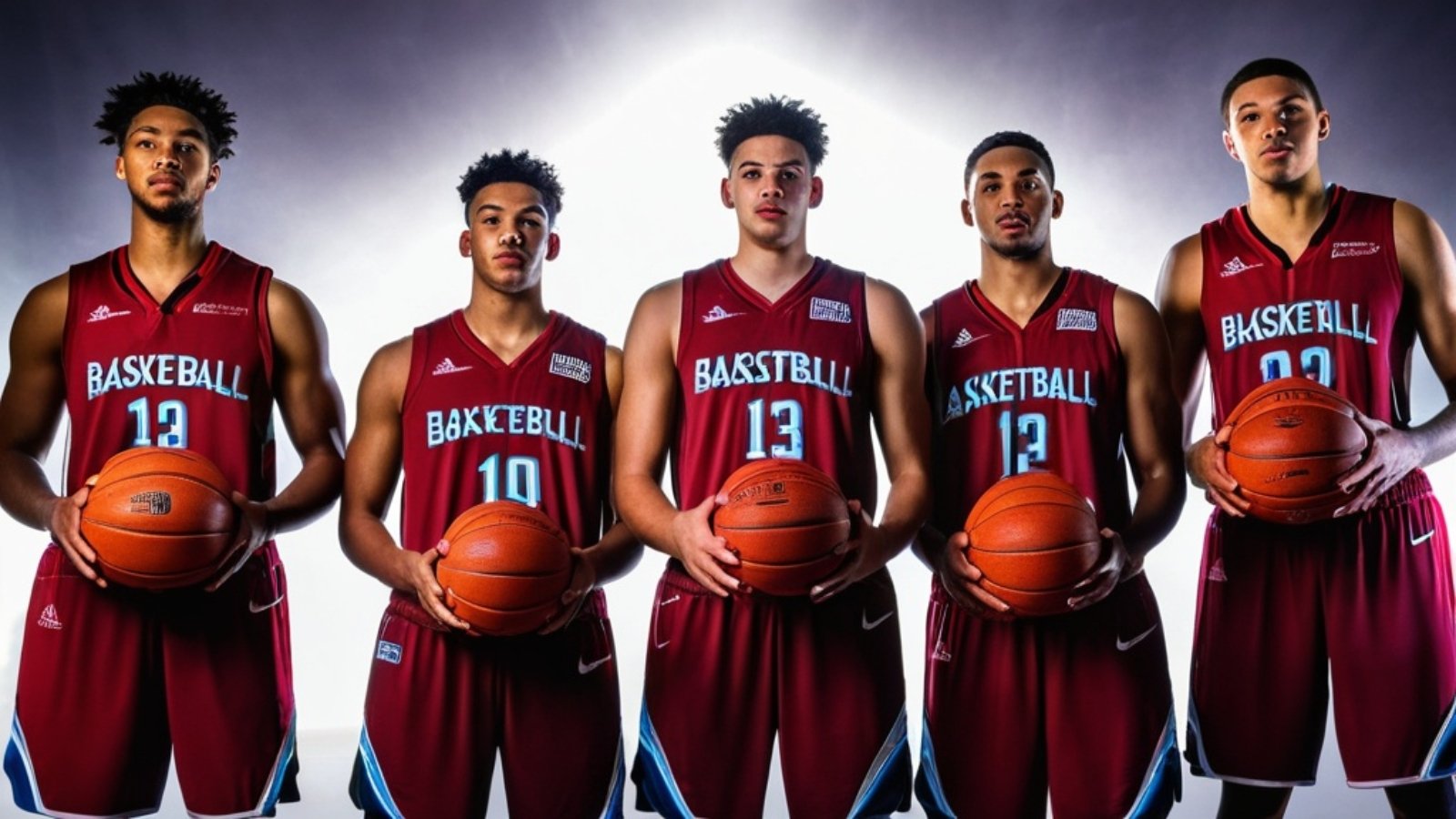
We understand that the visual representation of a sports team can be as much a part of their legacy as any trophy lifted or try scored. With our forthcoming publication, “Power and Pride: Rugby Team Portraits,” we aim to delve into the multifaceted world of rugby team photography. This collection, meticulously curated, offers more than just a gallery of faces; it is a historical archive, a study in team dynamics, and an exploration of the very essence of what it means to represent a club or country on the hallowed turf. We invite you, our reader, to journey with us through these visual narratives, to uncover the stories etched in the expressions and formations of these athletes.
The act of immortalizing a rugby team in a still image is a practice steeped in tradition, evolving alongside the sport itself. From the earliest days of team photography, where stiffly posed individuals stood as stoic representations of their collective might, to the dynamic, action-oriented captures of the modern era, each portrait serves as a timestamp, freezing a moment in time that speaks volumes about the team’s character and the era in which it was taken.
Early Formations and Formalities
In the nascent stages of rugby, team photography was a formal affair. The emphasis was on presenting a unified front, a solid block of players projecting an image of strength and discipline. We observe these early portraits as akin to formal family photographs, where each member occupies a designated space, contributing to an overall tableau of respectability and belonging. The attire, often formal wear or official club blazers, further underscored this sense of occasion and serious intent.
The Evolution of Expression
As rugby shed its more rigid, aristocratic origins and embraced a broader, more democratic appeal, so too did its team portraits. The stiffness gradually gave way to more natural stances, and a hint of the camaraderie and competitive spirit began to seep into the compositions. We see this shift as a thawing of formality, a gradual unveiling of the human element behind the jerseys. Smiles, though perhaps still restrained, began to appear, suggesting a shared experience and a mutual respect that transcended mere obligation.
Technological Advancements and Artistic Interpretation
The advent of new photographic technologies, from improved lighting techniques to greater film sensitivity, allowed for more ambitious and creative approaches to team photography. This opened the door for photographers to experiment with composition, framing, and even the environment in which the portrait was taken. We see these advancements as fertile ground for artistic interpretation, where the photographer becomes less of a documentarian and more of a visual storyteller.
For those interested in the artistry behind capturing the spirit of rugby teams, a fascinating related article can be found at All Star Legends. This piece delves into the significance of team portraits in showcasing the camaraderie and dedication of players, while also highlighting the unique styles and traditions that different teams embody. Whether you’re a fan of the sport or an aspiring photographer, this article offers valuable insights into the world of sports photography and its impact on team identity.
Beyond the Pose: Unpacking Team Dynamics
A rugby team portrait is rarely just about the individuals captured; it is an intricate tapestry woven with the threads of their collective relationships, their shared aspirations, and the unspoken hierarchy that often exists within a sporting unit. By observing the subtle cues – the positioning, the gestures, the glances – we can begin to decipher the underlying dynamics that fuel their on-field performance.
The Captain’s Anchor
The captain’s placement, often at the center, is a visual anchor, a focal point around which the rest of the team gravitates. This deliberate positioning is not merely symbolic; it reflects the captain’s responsibility, their role as the team’s leader and the embodiment of their collective will. We recognize this as a foundational element in understanding the team’s leadership structure, the captain being the lighthouse guiding the ship through turbulent seas.
The Inner Circle and the Extended Family
Subtle groupings within the larger team portrait can reveal the existence of an “inner circle” – perhaps seasoned veterans, key playmakers, or players with particularly strong bonds. Conversely, the spacing between players can indicate established friendships or developing alliances. We interpret these visual clusters as representing the organic social structures that form within a team, mirroring a family unit with its core members and extended relations.
The Shadow of the Bench
While the starting XV often forms the primary subject, the inclusion of substitutes, coaches, and support staff in broader team portraits offers a more holistic view. Their presence, though perhaps peripheral, acknowledges their integral role in the team’s success. We consider these wider inclusions as a testament to the fact that a rugby team is not a collection of individuals, but a unified ecosystem where every element plays a part.
The Uniform as a Canvas
The rugby jersey, far from being mere apparel, is a powerful symbol of identity, history, and allegiance. In team portraits, the uniform becomes a canvas upon which the team’s story is painted, each crest, each stripe, each detail carrying a weight of meaning.
Crests as Storytellers
The club crest, often prominently displayed, is more than a decoration; it is a condensed narrative of the team’s origins, its values, and its aspirations. Each element within the crest – a lion, a fleur-de-lis, a specific animal – carries historical or mythological significance, imbuing the wearer with a sense of lineage and purpose. We see these crests as heraldic devices, whispering tales of past glories and future ambitions.
Colors and Their Connotations
The distinctive colors of a rugby team are their visual signature, communicating their identity to the world. These colors are not chosen arbitrarily; they often carry historical or geographical associations, or perhaps even reflect a past sporting ideal. We analyze these color choices as deliberate statements, painting the team’s personality onto the visual spectrum.
The Scars and Stitches of Experience
While formal portraits aim for pristine presentation, certain candid or more informal images can reveal the tactile history of the game. Faded jerseys, worn patches, or even subtle traces of mud can speak to the intensity of training, the grit of matches, and the shared experiences that forge a team. We view these subtle imperfections as badges of honor, the visible scars that attest to their battles.
Context is King: The Setting of the Shot
The environment in which a rugby team is photographed significantly influences the message and meaning conveyed by the portrait. Whether on the hallowed ground of their home stadium or against a stark, neutral backdrop, the setting provides crucial context.
The Sacred Ground: Home Stadium Portraits
Portraits taken on their home pitch, often with the stands visible in the background, are imbued with a powerful sense of belonging and ownership. This is their territory, their sanctuary, and the backdrop emphasizes the connection between the players and their passionate fanbase. We consider these images as declarations of home turf advantage, a visual announcement of their domain.
The Battlefield: Training Grounds and Adversity
Images captured during intense training sessions or amidst challenging weather conditions offer a glimpse into the team’s resilience and dedication. These settings speak to the hard work, the sweat, and the unwavering commitment required to succeed. We find these portraits to be stark reminders of the unglamorous but essential labor that underpins on-field success, the forge in which their prowess is honed.
Neutral Territories: The Studio and the Statement
Studio portraits, with their controlled environments and often minimalist backdrops, allow the focus to remain squarely on the individuals and their collective presence. These settings can lend a sense of gravitas and timelessness to the images, presenting the team as a unified force stripped of external distractions. We view these as carefully composed statements of intent, where the essence of the team is distilled and presented without adornment.
Rugby team portraits capture the spirit and camaraderie of the players, showcasing their dedication and teamwork. For those interested in exploring more about sports photography, a related article discusses the nuances of capturing running events and the unique challenges they present. You can read more about it in this insightful piece on running event sports photography. This resource provides valuable tips for photographers looking to enhance their skills in dynamic sports settings.
The Enduring Legacy: Capturing a Moment in Time
Rugby team portraits, by their very nature, are intended to endure. They serve as a historical record, a tangible link to teams past, and an inspiration for those who will follow. “Power and Pride: Rugby Team Portraits” seeks to celebrate this enduring legacy, offering a window into the heart and soul of the sport.
Historical Archives and Collective Memory
These photographs function as vital components of a sport’s collective memory. They allow future generations to connect with their heritage, to understand the players who wore the same colors, and to appreciate the evolution of the game. We see these portraits as pages in the grand historical novel of rugby, each one a chapter worth revisiting.
The Inspiration of Heroes
For aspiring young players, team portraits of their heroes can be a potent source of inspiration. Seeing the faces of celebrated athletes, united in purpose, can ignite a desire to emulate their achievements and to become part of that esteemed lineage. We believe these images act as beacons, guiding and motivating the next wave of talent.
A Visual Encyclopedia of the Sport
The collection presented in “Power and Pride” will serve as a visual encyclopedia of rugby. It will document the changing fashions, the evolving team dynamics, and the enduring spirit of camaraderie that defines the sport. We intend for this work to be a comprehensive resource, a visual testament to the power and pride found within every rugby team.
FAQs
What is the purpose of rugby team portraits?
Rugby team portraits are taken to capture and showcase the members of a rugby team, often for promotional materials, yearbooks, or memorabilia. They help document the team’s composition during a particular season.
When is the best time to take rugby team portraits?
The best time to take rugby team portraits is usually before the start of the season or early in the season when the full team is available and in their official uniforms.
What should players wear for rugby team portraits?
Players typically wear their official team uniforms, including jerseys, shorts, and sometimes socks or other team gear, to ensure a cohesive and professional look in the portraits.
How are rugby team portraits typically arranged?
Rugby team portraits are often arranged with players standing or sitting in rows, usually with coaches or team staff included. The arrangement aims to clearly show each player’s face and uniform number.
Can rugby team portraits be used for promotional purposes?
Yes, rugby team portraits are commonly used for promotional purposes such as team websites, social media, programs, and marketing materials to represent the team and engage fans.