

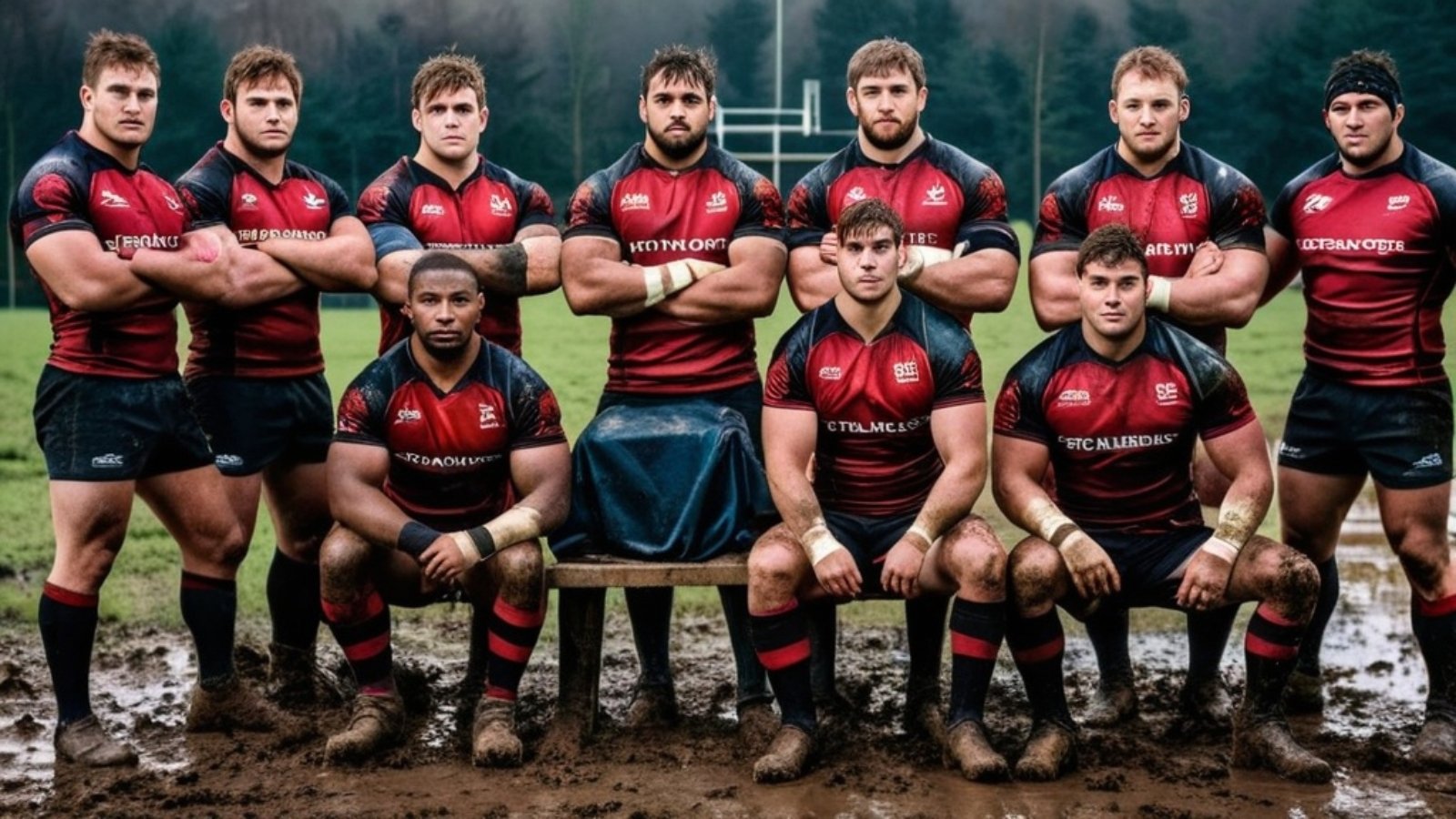
We often witness team sports through the lens of statistics, strategies, and individual brilliance. Yet, beyond the scorecard and the cheers, lies a visual narrative waiting to be unfurled. This narrative is meticulously crafted by team sports photographers, individuals who are more than just observers – they are visual storytellers, tasked with freezing moments of intense athletic endeavor and translating them into lasting images. Our aim in this exploration is to delve into the multifaceted world of capturing the action in team sports photography, dissecting the technical skills, strategic approaches, and the often-overlooked dedication required to produce compelling visual records of our favorite games.
The creation of a powerful sports photograph is not a spontaneous eruption of luck. It is the result of a carefully orchestrated process, a dance between anticipation, technical proficiency, and an innate understanding of the game. For us, as photographers, this genesis begins long before the first whistle blows.
Understanding the Arena: The Stadium as Our Canvas
Every stadium, every field, every court presents a unique set of challenges and opportunities. We study its dimensions, its light sources (both natural and artificial), and the typical flow of the game from our chosen vantage points. This intimate knowledge allows us to anticipate where critical action is likely to unfold.
Mapping the Landscape: Identifying Prime Positions
We meticulously scout positions that offer unobstructed views of key areas. For a football match, this might mean access to the sidelines near goalmouths, but also elevated positions for wider field perspectives. In basketball, the baseline and the corners of the three-point arc are often crucial spots, while in baseball, the area behind home plate or along the first and third baselines offers distinct advantages. Our aim is to become intimately familiar with the stadium’s topography, understanding how each angle can shape the narrative.
Navigating the Light: A Constant Companion and Adversary
Light is the lifeblood of photography, and in sports, it is a fickle mistress. We must understand how the sun behaves in outdoor arenas or how artificial lights behave indoors. This involves knowing when the light will be at its most flattering or its most challenging, and adapting our approach accordingly.
Adapting to the Sun’s Arc: Morning vs. Afternoon Games
The positioning of the sun dramatically impacts lighting conditions. Morning games might offer softer, warmer light, while afternoon games can bring harsher shadows. We learn to work with these variations, using them to sculpt our images.
Mastering the Artificial Glow: Indoor Illumination Quirks
Indoor venues present their own set of lighting puzzles, often characterized by uneven distribution and specific color temperatures. We learn to compensate for these nuances to ensure accurate color rendition and prevent blown-out highlights or muddy shadows.
The Choreography of Anticipation: Predicting the Unpredictable
Sports are inherently unpredictable, a swirling vortex of human endeavor. However, successful sports photography hinges on a degree of informed prediction. We are not merely reacting to events; we are actively anticipating them.
Decoding the Game’s Rhythm: Understanding Tactics and Formations
Every sport has its own rhythm, its own ebb and flow. We study the tactics and formations employed by teams, learning to recognize the patterns of attack, defense, and transition. This understanding allows us to preposition ourselves for potential game-changing moments.
Reading Player Tendencies: The Psychology of Performance
Beyond formations, we learn individual player tendencies. Where does a particular striker usually find their space? Which defender is prone to making a crucial tackle? These insights are invaluable in placing ourselves for those fleeting moments of individual brilliance or critical defensive stands. It’s like understanding the heartbeat of the game, allowing us to be in sync with its tempo.
The Role of the Referee/Umpire: Unsung Elements of the Narrative
While our focus is on the athletes, the actions and reactions of officials often provide crucial context. A contentious penalty call, a controversial offside, these moments, though not directly athletic, are crucial to the unfolding drama. We learn to incorporate these elements into our visual storytelling when appropriate.
Team sports photography captures the dynamic energy and camaraderie of athletes in action, showcasing their skills and teamwork. For those interested in exploring a related aspect of sports photography, you might find the article on cheerleading sports portraits particularly insightful. It delves into the unique challenges and techniques involved in capturing the spirit and athleticism of cheerleaders. You can read more about it here: Cheerleading Sports Portraits.
The Technical Arsenal: Mastering the Tools of the Trade
Our equipment is an extension of our vision. The choices we make in terms of cameras, lenses, and accessories are crucial in translating the dynamism of sports into compelling imagery.
The Camera Body: Our Unwavering Partner
The camera body is the central nervous system of our operation. We prioritize bodies that offer robust build quality, high-speed continuous shooting capabilities, and excellent autofocus performance. These are the bedrock of our ability to freeze fast-moving action.
Sensor Size and Resolution: The Foundation of Image Quality
Larger sensors, such as full-frame, generally offer better low-light performance and a wider dynamic range, crucial for capturing detail in both bright highlights and deep shadows. Resolution, while important, is often secondary to these other factors for sports photography, where capturing the moment is paramount.
Autofocus Systems: The Eyes That Never Blink
A sophisticated autofocus system is non-negotiable. We rely on advanced tracking capabilities that can lock onto and follow moving subjects with precision, ensuring that our images are sharp even when the action is at its most frantic. This is akin to having a hawk’s eye, constantly tracking its prey.
Burst Mode Capabilities: Freezing the Fraction of a Second
The ability to shoot in burst mode, capturing multiple frames per second, is essential for ensuring we don’t miss the peak of an action. This allows us to select the absolute sharpest and most impactful frame from a sequence.
Lenses: Our Windows to the Action
The lens is our primary tool for framing the narrative, dictating our perspective and our proximity to the athletes. The selection of lenses is a strategic decision, influenced by the sport, the venue, and the desired aesthetic.
Telephoto Lenses: Bringing the Action Closer
For sports where we are positioned at a distance from the action, telephoto lenses are indispensable. They allow us to compress perspective, isolate subjects, and capture intimate details of player expressions and movements from across the field or court.
The 70-200mm: A Versatile Workhorse
This lens is a staple in many sports photographers’ bags, offering a versatile range that bridges the gap between mid-range and extreme telephoto. It’s our go-to for a multitude of shooting scenarios.
The 300mm and Beyond: For Distant Spectacles
For sports like track and field or equestrian events, where distance is a given, longer telephoto lenses become essential. They allow us to fill the frame with distant athletes, capturing their determination and effort.
Wide-Angle Lenses: Capturing the Grandeur and the Context
While telephoto lenses excel at isolation, wide-angle lenses are crucial for capturing the broader context of the game – the roar of the crowd, the expanse of the field, the sheer scale of the event. They can also be used for dramatic, close-up shots that convey a sense of urgency.
The Importance of Aperture: Allowing Light In
Fast apertures (low f-numbers like f/2.8 or f/1.8) are vital for sports photography, especially in low-light conditions. They allow us to use faster shutter speeds to freeze action and create a pleasing background blur (bokeh) that isolates the subject.
Accessories: The Supporting Cast
Beyond cameras and lenses, a range of accessories plays a vital role in our ability to perform effectively.
Tripods and Monopods: Providing Stability and Support
For longer lenses or for extended periods of shooting, tripods and monopods prevent camera shake and reduce fatigue, ensuring sharper images and allowing us to maintain our position for longer.
Extra Batteries and Memory Cards: The Fuel and the Memory
Sports events are long and often unpredictable. We must always be prepared for extended shooting sessions, ensuring we have ample power and storage for our images. Running out of either is a photographer’s worst nightmare.
Rain Gear and Protective Housings: Shielding Against the Elements
The elements can be a photographer’s nemesis. We invest in reliable rain gear and often protective housings to safeguard our precious equipment from moisture and dust, ensuring we can continue shooting regardless of the weather.
The Art of the Shot: Composition, Timing, and Storytelling
Beyond the technical, the true artistry of sports photography lies in how we frame the action, when we press the shutter, and how we imbue our images with a compelling narrative.
Compositional Dynamics: Guiding the Viewer’s Eye
Effective composition is not about following rigid rules; it’s about understanding how to arrange elements within the frame to create visual harmony and direct the viewer’s attention to the most important aspects of the image.
Leading Lines: Directing the Gaze
We utilize lines within the environment – the markings on the field, the angles of the stadium seats, the lines of players – to guide the viewer’s eye towards the subject of the photograph. This creates a sense of depth and movement.
Rule of Thirds and Beyond: Strategic Placement
While the rule of thirds is a fundamental compositional guideline, we also explore other techniques, placing subjects off-center to create visual tension or centering them for a powerful, direct impact. It’s about finding the sweet spot that resonates.
Negative Space: The Power of the Unseen
Negative space, the empty areas around our subject, is as important as the subject itself. It can enhance the sense of isolation, emphasize movement, or provide breathing room within a busy frame. It’s the silence that makes the music more potent.
The Pinnacle of Timing: The Decisive Moment
The concept of the “decisive moment,” popularized by Henri Cartier-Bresson, is perhaps even more pronounced in sports photography. Our goal is to capture the apex of the action, the peak of emotion, the moment of ultimate consequence.
The Release and the Follow-Through: Capturing the Full Arc of Motion
We aim to capture not just a single action, but the entire narrative of a movement. This means anticipating the release of a ball, the explosive leap, the last-ditch tackle, and often the immediate aftermath.
Emotion as the Invisible Force: The Human Element
Beyond the physical, sports are a theater of human emotion. We strive to capture the exultation of victory, the agony of defeat, the sheer concentration etched on a player’s face. These moments are often the most resonant and relatable. It’s about finding the soul in the sport.
Crafting the Narrative: Telling a Story in a Single Frame
Every photograph should tell a story. In team sports photography, this often means capturing the interplay between teammates, the struggle against an opponent, or the collective effort that defines a team.
The Gaze: A Window into Motivation
A player’s gaze can reveal volumes about their intentions, their focus, or their frustration. We are constantly looking for those meaningful eye contact moments, whether between teammates or with the game itself.
The Gesture: Expressing the Unspoken
A clenched fist of triumph, a supportive hand on a teammate’s back, a despairing gesture – these gestures are powerful visual cues that add depth and emotional resonance to our images. They are the silent language of the game.
The “Hero Shot”: Elevating Individual Effort
While teamwork is paramount, certain moments define individual brilliance. We seek to capture those defining shots that celebrate a player’s skill and dedication, often within the context of the team’s overall effort.
Post-Production: The Final Polish
The journey of a sports photograph doesn’t end when the shutter is released. Post-production is a critical stage where we refine our images, enhancing their impact and ensuring they meet professional standards.
Software Suite: Our Digital Darkroom
We utilize sophisticated editing software to adjust exposure, color balance, contrast, and sharpness. This is not about fabricating reality, but about optimizing the existing visual information to present the most compelling and accurate representation of the moment.
Color Correction and White Balance: Achieving True Representation
Ensuring accurate color rendition is crucial. We fine-tune white balance to eliminate color casts that can be introduced by different lighting conditions, ensuring that the colors of the uniforms and the field appear as they would naturally.
Sharpening and Noise Reduction: Enhancing Detail and Clarity
We selectively sharpen images to bring out fine details and use noise reduction techniques to minimize grain, especially in images shot in low light, without sacrificing image quality.
Cropping and Straightening: Refinements for Impact
Cropping allows us to refine the composition, eliminating distractions and strengthening the focus on the subject. Straightening horizons or correcting perspective can also significantly improve the visual appeal of an image.
Exporting and Delivery: Preparing for Publication
The final step involves exporting our images in the appropriate formats and resolutions for their intended use, whether for online publication, print media, or client delivery. This ensures optimal quality and compatibility across different platforms.
Team sports photography captures the dynamic energy and camaraderie of athletes in action, showcasing their skills and teamwork. For those interested in exploring a different aspect of sports photography, a related article on running events can provide valuable insights into capturing the essence of individual and group performances. You can read more about this fascinating topic in the article on running event sports photography, which highlights techniques and tips for photographing athletes in motion.
The Ethical Compass: Responsibility and Integrity
As visual chroniclers of sport, we operate with a strong sense of ethical responsibility. Our aim is to represent the game and its participants accurately and respectfully.
Inclusivity and Representation: Reflecting the Diversity of Sport
We strive to capture the full spectrum of participants, ensuring that our imagery reflects the diversity of gender, race, and ability within sport. Every story deserves to be seen.
Respect for Athletes and Privacy: The Boundaries of Our Lens
While we capture intense moments, we are mindful of the athletes’ privacy and dignity. We avoid gratuitous or exploitative imagery and always prioritize capturing the spirit of competition and camaraderie.
Accuracy and Authenticity: The Core of Our Practice
Our commitment is to authenticity. We present the action as it happened, avoiding manipulation that misrepresents the events or the emotions of those involved. Our photographs are intended to inform and to inspire, not to deceive.
In conclusion, capturing the action in team sports photography is a demanding yet immensely rewarding pursuit. It requires a blend of technical prowess, strategic thinking, artistic vision, and an unwavering passion for the game. We are the custodians of these fleeting moments, translating the raw energy and human drama of sport into images that resonate long after the final whistle has blown. Our lens is not just a tool; it is a conduit through which the enduring spirit of athleticism is brought to life for all to see and cherish.
FAQs
What equipment is essential for team sports photography?
Essential equipment for team sports photography includes a DSLR or mirrorless camera with a fast autofocus system, telephoto lenses (typically 70-200mm or longer), a high-speed memory card, and sometimes a monopod for stability. A camera with a high frame rate is also beneficial to capture fast action.
What settings are recommended for capturing fast-moving sports action?
To capture fast-moving sports action, use a fast shutter speed (usually 1/1000 second or faster) to freeze motion, a wide aperture to allow more light and create a shallow depth of field, and a high ISO setting if necessary to maintain proper exposure. Continuous autofocus and burst mode are also recommended.
How can photographers effectively capture the emotions and dynamics of team sports?
Photographers can capture emotions and dynamics by anticipating key moments such as celebrations, intense plays, and interactions between players. Positioning oneself at strategic locations like the sidelines or near the goal can help capture compelling expressions and action. Using a telephoto lens allows close-up shots without disturbing the game.
What are some common challenges in team sports photography?
Common challenges include fast and unpredictable movement, varying lighting conditions (especially in outdoor or indoor venues), obstructed views due to players or equipment, and the need to quickly adjust camera settings. Managing background distractions and ensuring player safety while shooting are also important considerations.
Is post-processing important in team sports photography?
Yes, post-processing is important to enhance image quality, adjust exposure, crop for better composition, and remove distractions. However, it is generally best to keep edits natural to preserve the authenticity of the moment. Many photographers also use post-processing to convert images to black and white or to emphasize certain colors for artistic effect.