

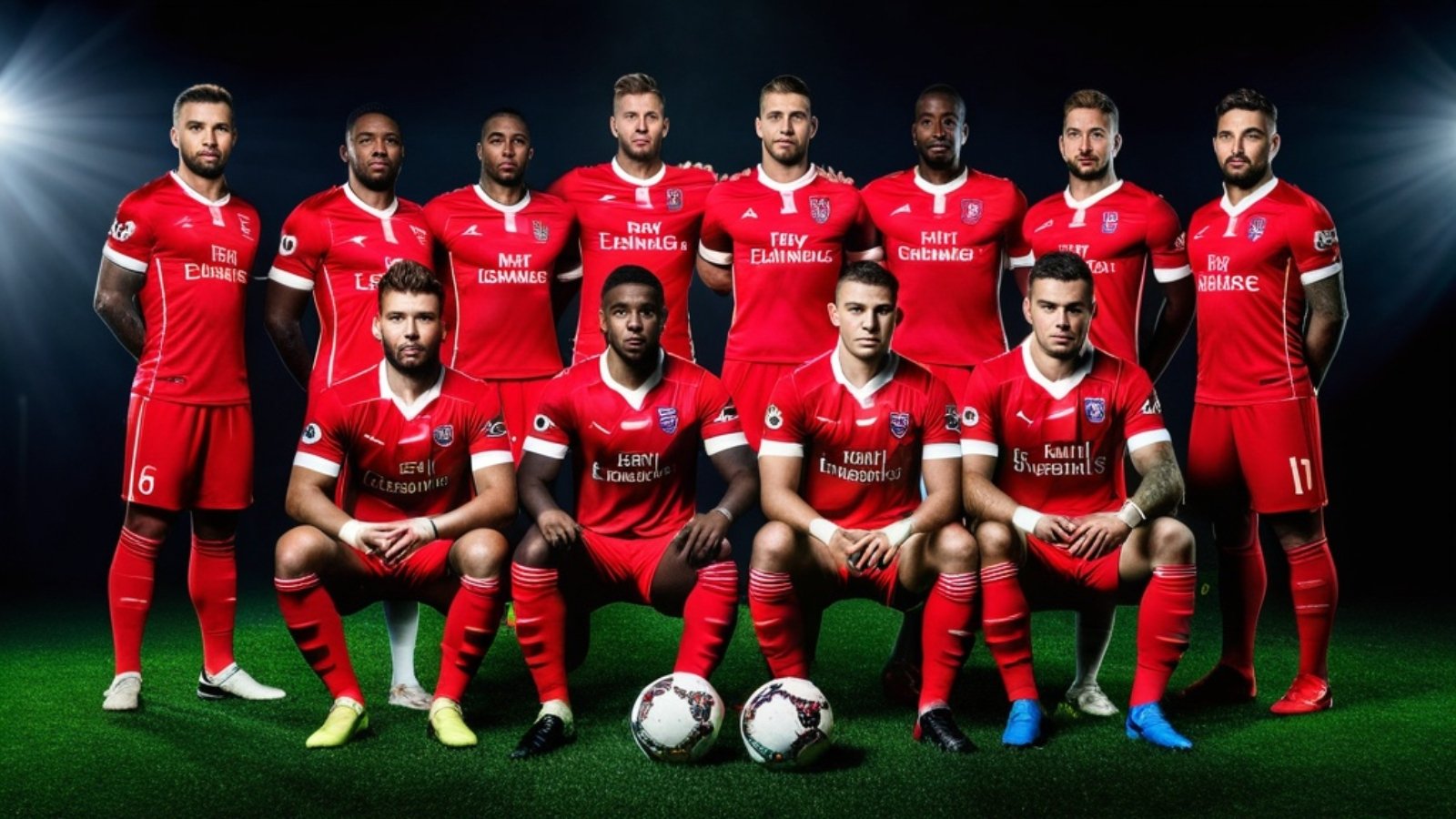
We are the custodians of fleeting moments, the visualchroniclers of triumphs and tribulations. In the realm of sports photography, our canvas is the arena, our subjects are athletes, and our art lies in capturing the essence of their physical and emotional journey. We are sports portrait photographers. Our work transcends mere documentation; we aim to encapsulate the spirit, the dedication, the raw power, and the nuanced vulnerability that define an athlete’s existence.
Before we even lift a lens, our process begins with an in-depth understanding of our subject. We don’t just see a body in motion; we see a story unfolding. This narrative is built on countless hours of training, the sting of defeat, the exhilaration of victory, and the unwavering pursuit of excellence. We delve into their background, their sport’s culture, and the specific challenges they face.
Research as the Foundation
Our research is not a superficial glance at statistics. It’s a deep dive into the heart of their discipline. For a marathon runner, we study the grueling endurance required, the mental fortitude to push through pain barriers. For a gymnast, we analyze the precision, the grace, and the explosive power. We seek to understand not just what they do, but why they do it, and what drives them to continue. This knowledge is the bedrock upon which we build our photographic vision.
The Athlete’s Psyche: A Realm of Exploration
Understanding the athlete’s psyche is paramount. We look beyond the outward display of athleticism to explore the internal landscape. What are their motivations? What are their fears? What are the sacrifices they make? This psychological dimension informs our approach to lighting, composition, and the very moment we choose to freeze. We aim to capture the flicker of determination in their eyes, the subtle tension in their muscles before a pivotal move, or the quiet reflection after a hard-fought contest.
The Sport’s Unwritten Rules and Rituals
Every sport has its own unique language, its own unwritten rules and rituals. We immerse ourselves in this environment, observing the pre-game routines, the team camaraderie, the coach-athlete interactions, and the post-game analyses. These observations provide invaluable insights into the athlete’s world, allowing us to create portraits that resonate authentically with their experience. We become fluent in the gestures, the expressions, and the unspoken communication that defines athletic competition.
For those interested in enhancing their skills in sports portrait photography, a great resource is the article on photography classes available at All Star Legends. This article provides insights into various workshops and courses that can help photographers refine their techniques and capture the dynamic energy of athletes. To learn more about these opportunities, you can visit the article here: Photography Classes at All Star Legends.
Crafting the Visual Language: The Technical Toolkit
Our technical proficiency is the conduit through which we translate our understanding into compelling visuals. The equipment we wield is not merely a tool; it’s an extension of our artistic intent. Each lens, each setting, each lighting modifier plays a deliberate role in shaping the narrative.
Light: The Sculptor of Form and Emotion
Light is our primary medium for sculpting form and evoking emotion. We understand its behavior, its direction, and its quality. Whether it’s the harsh, dramatic glare of stadium lights, the soft, diffused glow of a studio, or the natural light of an outdoor training session, we manipulate it to highlight musculature, accentuate expressions, and create a compelling mood.
Natural Light: Harnessing the Elements
We often find ourselves drawn to natural light, which possesses a unique quality that can imbue portraits with authenticity and depth. The golden hour, just after sunrise or before sunset, offers a warm, flattering light that can enhance skin tones and create a sense of drama. Overcast days provide a soft, diffused light that minimizes harsh shadows and is ideal for capturing subtle expressions. We learn to read the sky, to anticipate the sun’s movement, and to use the environment to our advantage.
Artificial Light: Precision and Control
In controlled environments, artificial light allows for a greater degree of precision and creative control. We can shape light using strobes, continuous lights, and a range of modifiers like softboxes and grids. These tools enable us to create specific moods, isolate subjects, and emphasize particular details. For instance, a hard-edged light can accentuate the power and athleticism of a weightlifter, while a softer, more diffused light might be used to convey the grace of a dancer.
Composition: Guiding the Viewer’s Eye
Composition is our architectural blueprint, the way we arrange elements within the frame to guide the viewer’s eye and reinforce the narrative. We employ principles of the rule of thirds, leading lines, and negative space to create visually engaging and impactful portraits.
The Power of Negative Space
Negative space, the empty areas around the subject, is often as important as the subject itself. It allows the athlete to breathe within the frame, to command attention without being overwhelmed by clutter. It can also be used to convey a sense of isolation, contemplation, or vastness, depending on the intended narrative.
Leading Lines: Directing Focus
Leading lines – be they the lines of a track, the ropes of a boxing ring, or the gesture of an athlete’s limb – can effectively draw the viewer’s eye towards the subject and the focal point of the image. We consciously incorporate these elements to create a sense of depth and direct the viewer’s gaze with purpose.
Lens Selection: The Art of Perspective
Our choice of lens significantly impacts the perspective and intimacy of our portraits. A wide-angle lens can create a sense of grandeur and proximity, while a telephoto lens can compress the background and isolate the subject, emphasizing their isolation or singular focus.
Prime Lenses: Clarity and Sharpness
We often favor prime lenses for their superior sharpness and clarity. Their fixed focal length forces us to move our feet, to engage with our subjects more actively, and to consider our position with greater intent. This physical engagement often translates into a more intimate and dynamic portrait.
Zoom Lenses: Versatility and Adaptability
While primes offer unparalleled quality, versatile zoom lenses allow us to adapt quickly to changing situations, crucial in the fast-paced world of sports. A mid-range zoom can provide a balance between capturing the athlete and their environment, while a longer zoom allows us to capture candid moments from a discreet distance.
Beyond the Action: Capturing the Unseen Moments
While the adrenaline-fueled action shots are undeniably captivating, we believe the true essence of an athlete often resides in the moments between the action. These are the quiet beats, the unguarded expressions, and the subtle intimacies that reveal the human behind the competitor.
Pre-Game Rituals: The Calm Before the Storm
The hours leading up to a competition are often filled with a unique blend of anticipation and focused preparation. We seek to document the athlete’s pre-game rituals, the quiet contemplation, the focused stretching, the last-minute adjustments to equipment. These are moments of intense internal focus, where the athlete prepares not only their body but also their mind for the challenge ahead.
Post-Game Reflections: The Aftermath of Effort
The moments immediately following a competition are equally, if not more, revealing. The exultation of victory, the sting of defeat, the exhaustion etched on their faces, the shared camaraderie with teammates – these are raw, unvarnished emotions that offer profound insight. We aim to capture the athlete in their moment of processing, be it a triumphant embrace or a quiet sigh of relief.
The Training Ground: The Crucible of Dedication
The training ground is where the foundation of athletic prowess is built. Long, arduous hours of practice, the sweat, the blisters, the breakthroughs, and the setbacks – these are the building blocks of success. Our portraits from training sessions often depict raw determination, a relentless pursuit of improvement, and the sheer discipline required to excel.
The Athlete as an Archetype: Universal Themes in Sports Portraits
Through our work, we often find that individual athletes embody universal themes that resonate with audiences beyond the realm of sports. We see the embodiment of resilience, the unwavering pursuit of a dream, the courage to face adversity, and the dedication to a craft.
Resilience: The Unbroken Spirit
The ability to bounce back from setbacks is a defining characteristic of any great athlete. Our portraits can capture this resilience, showing the athlete recovering from injury, learning from defeat, and returning to their sport with renewed determination. We seek to portray the inner strength that allows them to persevere against all odds.
Dedication: The Unseen Sacrifice
The life of an athlete is often one of immense sacrifice. We aim to portray this dedication, not just in the physical exertion, but in the quiet moments of discipline, the missed social events, and the relentless self-improvement. The portraits become a testament to the unseen efforts that underpin athletic achievement.
Vulnerability: The Human Element
While sports often emphasize strength and invincibility, we also seek to capture the athlete’s vulnerability. This can be expressed through a moment of doubt, the pain of an injury, or the quiet introspection after a loss. These moments humanize the athlete, making them more relatable and their journey more profound.
If you’re interested in the captivating world of sports portrait photography, you might find this article on the artistry behind capturing athletes in their element particularly insightful. It explores various techniques and styles that can elevate sports portraits, showcasing how the right lighting and composition can tell a powerful story. For a deeper dive into stunning examples of this genre, check out the gallery of sports portraits at All Star Legends, where you can see how these elements come together to create striking images.
Collaboration and Connection: Building Trust with the Subject
Our success as portrait photographers hinges on our ability to build trust and rapport with our subjects. Athletes, often under intense scrutiny, can be wary of the camera. Our approach emphasizes collaboration and a genuine human connection.
The Importance of Communication
Open and honest communication is vital. We explain our intentions, our creative process, and what we aim to capture. We listen to their concerns and preferences. This dialogue ensures that they feel comfortable and involved in the photographic process, fostering a sense of partnership rather than intrusion.
Creating a Comfortable Environment
We strive to create a relaxed and comfortable atmosphere, whether we are on the field, in the studio, or during a casual interview. By being approachable and non-intrusive, we allow athletes to be themselves, to let down their guard, and to reveal their true character. We are not just documenting them; we are engaging with them.
Respecting Boundaries
We understand and respect the boundaries of our subjects. Athletes have demanding schedules and intense emotional states. We are mindful of their time, their energy levels, and their privacy, ensuring our presence enhances, rather than detracts from, their experience.
In essence, we are more than just photographers. We are storytellers, psychologists, and visual historians. We strive to create portraits that not only showcase the physical prowess of an athlete but also illuminate the unwavering spirit, the profound dedication, and the compelling humanity that drives them to push the boundaries of what is possible. We are the ones who capture the athlete’s essence, freezing moments of dedication, struggle, and triumph, preserving them for posterity, and offering the world a glimpse into the extraordinary lives they lead.
FAQs
What is a sports portrait photographer?
A sports portrait photographer specializes in capturing images of athletes, often highlighting their personality, strength, and dedication through posed or candid portraits.
What equipment is commonly used by sports portrait photographers?
They typically use high-quality DSLR or mirrorless cameras, fast lenses with wide apertures, and sometimes lighting equipment like strobes or reflectors to enhance the subject’s features.
How does a sports portrait photographer prepare for a shoot?
Preparation includes researching the athlete, choosing appropriate locations, planning poses, and coordinating with the subject to ensure comfort and authenticity during the session.
What skills are important for a sports portrait photographer?
Key skills include technical photography knowledge, understanding of sports culture, strong communication, creativity, and the ability to capture emotion and movement effectively.
Where are sports portrait photographs typically used?
These portraits are often used in promotional materials, athlete portfolios, sports magazines, websites, social media, and sometimes for personal keepsakes or sponsorship presentations.